
Embark on a journey through the world of modern home design ideas by top architects, where creativity meets functionality in the most stunning ways. From iconic structures to cutting-edge innovations, this topic delves into the heart of architectural marvels that define the essence of modern living.
Overview of Modern Home Design
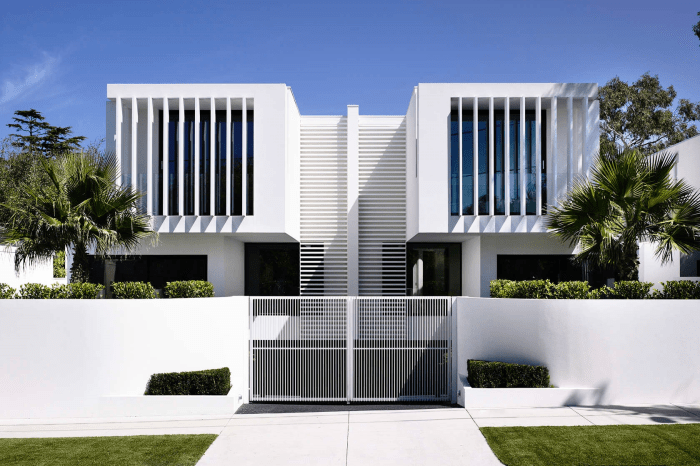
Modern home design is a style that emerged in the early 20th century and continues to be popular today. It is characterized by clean lines, open spaces, and a minimalist approach to decoration. Key features of modern home design include large windows, flat roofs, and the use of industrial materials such as concrete and steel.
Hiring top architects for modern home projects is crucial to ensure that the design is not only visually appealing but also functional and sustainable. Architects bring expertise in spatial planning, environmental considerations, and building regulations, which are essential for creating a successful modern home.
Examples of Iconic Modern Homes
- The Farnsworth House - Designed by Mies van der Rohe, this iconic glass house in Illinois is a prime example of modernist architecture with its simplicity and integration with nature.
- Villa Savoye - Designed by Le Corbusier, this modernist villa in France is known for its open floor plan, pilotis, and flat roof, showcasing the principles of modern architecture.
- The Glass House - Designed by Philip Johnson, this transparent house in Connecticut is a masterpiece of modern design, blurring the boundaries between indoor and outdoor spaces.
Elements of Modern Home Design
Modern home design is characterized by several key elements that set it apart from traditional styles. Top architects incorporate innovative materials and maximize natural light to create stunning modern home projects.
Innovative Materials
- Top architects often use materials like glass, steel, and concrete to achieve a sleek and modern look in their designs.
- These materials are not only visually appealing but also durable and sustainable, contributing to the overall functionality of the home.
- Innovative materials like recycled wood, bamboo, and eco-friendly composites are also being increasingly used to reduce the environmental impact of modern home construction.
Maximizing Natural Light
- Natural light is a crucial element in modern home design, as it creates a sense of openness and connection to the outdoors.
- Architects often incorporate large windows, skylights, and glass walls to maximize natural light throughout the home.
- Strategically placed windows and light wells are used to ensure that every corner of the home is bathed in natural light, reducing the need for artificial lighting during the day.
Interior Design Trends in Modern Homes

When it comes to modern interior design, there are several trends that are currently shaping the way homes are styled and decorated. From minimalist approaches to the use of smart home technology, modern interiors are constantly evolving to meet the needs and preferences of homeowners.
Minimalist vs. Maximalist Approaches
One of the key trends in modern interior design is the ongoing debate between minimalist and maximalist approaches. Minimalism focuses on clean lines, simple color palettes, and a clutter-free environment, while maximalism embraces bold colors, patterns, and textures to create a more eclectic and vibrant space.
- Minimalist Approach:
- Emphasis on simplicity and functionality
- Neutral color schemes with pops of bold colors
- Clean and uncluttered spaces
- Maximalist Approach:
- Use of bold colors, patterns, and textures
- Lavish decor and accessories
- Lots of visual interest and layers in the design
Smart Home Technology
Another prominent trend in modern interior design is the integration of smart home technology. From voice-activated assistants to automated lighting and climate control systems, smart technology is revolutionizing the way we interact with our living spaces.
Smart home technology allows homeowners to control various aspects of their home environment remotely, creating a more convenient and efficient living experience.
Sustainable Practices in Modern Home Design
Modern home design has evolved to prioritize sustainability, with top architects incorporating various eco-friendly practices into their projects. By utilizing sustainable design principles, architects are able to create homes that not only reduce environmental impact but also promote a healthier living environment for residents.
Let's explore some of the common sustainable practices used in modern home design.
Integration of Eco-Friendly Materials
Using eco-friendly materials is a key aspect of sustainable home design. Top architects often opt for materials such as recycled wood, bamboo, cork, or reclaimed materials to reduce the carbon footprint of the construction process. These materials not only help in conserving natural resources but also contribute to the overall aesthetic appeal of the home.
Energy-Efficient Systems
Energy-efficient systems play a crucial role in modern home design. Architects incorporate features like solar panels, energy-efficient appliances, smart home technology, and proper insulation to minimize energy consumption and reduce utility costs. These systems not only benefit the environment but also enhance the comfort and functionality of the home.
Water Conservation Techniques
In addition to energy efficiency, water conservation techniques are also commonly integrated into modern home design. Architects implement features like low-flow fixtures, rainwater harvesting systems, and drought-resistant landscaping to reduce water wastage and promote sustainable water usage. These techniques help homeowners lower their water bills while contributing to water conservation efforts.
Indoor Air Quality Improvement
Ensuring good indoor air quality is another important aspect of sustainable home design. Architects focus on using non-toxic materials, proper ventilation systems, and air purification technologies to create a healthy living environment for residents. By prioritizing indoor air quality, architects can enhance the overall well-being of homeowners and reduce exposure to harmful pollutants.
Waste Reduction Strategies
Waste reduction strategies are also emphasized in modern home design projects. Architects aim to minimize construction waste by recycling materials, using prefabricated components, and implementing efficient waste management practices. By reducing waste generation and promoting recycling, architects contribute to a more sustainable building industry and help protect the environment.
Outdoor Spaces in Modern Home Design
Outdoor spaces play a crucial role in modern home designs, offering a seamless connection between indoor and outdoor living. Top architects often incorporate innovative ideas to create functional and stylish outdoor areas that enhance the overall design of the home.
Integration of Outdoor Spaces
Modern home designs by top architects seamlessly integrate outdoor spaces into the overall layout of the house. This integration allows for a harmonious flow between indoor and outdoor living areas, blurring the boundaries between the two.
Importance of Landscaping and Outdoor Amenities
Landscaping and outdoor amenities are essential components of modern home projects. They not only enhance the aesthetic appeal of the property but also provide additional living spaces for relaxation, entertainment, and recreation. Top architects prioritize the design of outdoor areas to create a cohesive and inviting environment for homeowners and guests.
Innovative Ideas for Outdoor Areas
- Utilization of sustainable materials for outdoor furniture and fixtures to promote eco-friendly practices.
- Integration of water features such as fountains, ponds, or pools to create a tranquil and refreshing outdoor ambiance.
- Creation of outdoor kitchens or dining areas for alfresco dining and entertaining, complete with built-in grills, sinks, and seating.
- Incorporation of vertical gardens or green walls to add a touch of nature and improve air quality in outdoor spaces.
- Installation of smart technology for outdoor lighting, irrigation systems, and entertainment systems to enhance convenience and efficiency.
Closing Notes
As we conclude our exploration of modern home design ideas by top architects, we are left with a profound appreciation for the artistry and ingenuity that shape the spaces we inhabit. From sustainable practices to seamless integration of technology, the future of home design is indeed an exciting canvas waiting to be painted with endless possibilities.
FAQ Section
What sets modern home design apart from traditional styles?
Modern home design emphasizes clean lines, open spaces, and a minimalist approach, while incorporating innovative materials for a sleek and contemporary look.
How do top architects maximize natural light in modern home designs?
Top architects often use strategically placed windows, skylights, and reflective surfaces to amplify natural light and create a bright, airy atmosphere in modern homes.
Why is sustainable design important in modern home projects?
Sustainable practices in modern home design help reduce environmental impact, increase energy efficiency, and promote healthier living spaces for occupants.