
Smart home architecture planning guide sets the stage for this enthralling narrative, offering readers a glimpse into a story that is rich in detail and brimming with originality from the outset. From understanding the core concepts to designing smart home spaces, this guide covers it all with a focus on creating a seamless integration of technology and architecture.
Understanding Smart Home Architecture
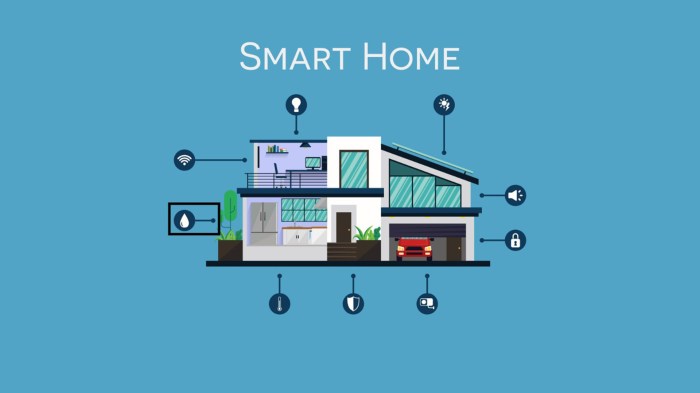
Smart home architecture refers to the design and layout of a living space that incorporates various technologies to enhance convenience, efficiency, and security. It involves integrating devices, systems, and networks to create a cohesive and interconnected environment that can be controlled remotely or automated to suit the needs and preferences of the occupants.The key components of smart home architecture include:
Key Components of Smart Home Architecture
- Sensors: These devices detect changes in the environment, such as motion, temperature, light, or sound, and trigger automated responses accordingly.
- Actuators: Actuators are mechanisms that execute the commands sent by the control system, such as opening doors, adjusting blinds, or turning on lights.
- Control System: The central hub that manages and coordinates the various devices and systems in the smart home, allowing for remote access and automation.
- Communication Protocols: The protocols that enable devices to communicate with each other and with the control system, such as Wi-Fi, Bluetooth, or Zigbee.
- User Interface: The interface through which occupants interact with the smart home system, which can be a mobile app, voice commands, or touch panels.
Integrating technology into architectural design for a smart home is crucial for creating a seamless and efficient living environment. By incorporating smart devices and systems from the initial planning stages, architects can optimize the layout, wiring, and infrastructure to support the integration of technology seamlessly.
This approach not only enhances the functionality and convenience of the home but also improves energy efficiency, security, and overall quality of life for the occupants.
Initial Considerations for Smart Home Planning
When embarking on the journey of planning a smart home architecture, there are several key initial considerations that need to be taken into account to ensure a successful integration of smart technologies. From assessing existing space to designing a layout that maximizes convenience and efficiency, the planning phase sets the foundation for a seamless smart home experience.
Assessing Existing Space and Infrastructure
Before diving into the design phase, it is crucial to assess the existing space and infrastructure of the home to determine the feasibility of smart home integration. This involves evaluating the following factors:
- Current electrical wiring and outlets: Determine if the existing electrical system can support the additional power requirements of smart devices.
- Internet connectivity: Assess the strength and coverage of the Wi-Fi network to ensure reliable connectivity throughout the home.
- Space layout: Consider the layout of the home to identify ideal locations for smart devices and sensors to maximize their effectiveness.
- Compatibility with existing systems: Check if the smart devices you plan to incorporate are compatible with each other and can be seamlessly integrated into the existing infrastructure.
It is essential to have a solid understanding of the current space and infrastructure to avoid potential issues during the implementation phase of the smart home architecture.
Designing Smart Home Spaces
When designing smart home spaces, it is essential to consider the specific needs and functions of each area to optimize the use of smart technologies. By tailoring the design to the unique requirements of living rooms, kitchens, bedrooms, and outdoor areas, you can create a cohesive and connected smart home environment.
Living Room
- Integration of smart lighting systems to create ambiance and set the mood for different activities.
- Smart speakers or sound systems for immersive entertainment experiences.
- Voice-controlled assistants for convenient control of devices and entertainment options.
Kitchen
- Smart appliances such as refrigerators, ovens, and coffee makers for improved efficiency and convenience.
- Connected cooking devices that can be controlled remotely for precise meal preparation.
- Smart storage solutions to optimize space and keep track of inventory.
Bedroom
- Smart thermostats for personalized comfort and energy savings.
- Sleep tracking devices to monitor sleep patterns and improve overall wellness.
- Automated window treatments for light control and privacy.
Outdoor Areas
- Smart irrigation systems to efficiently water plants and conserve resources.
- Outdoor lighting systems with motion sensors for enhanced security and safety.
- Weather-resistant smart entertainment systems for outdoor gatherings and relaxation.
Overall, the key to designing smart home spaces lies in creating a seamless integration of technologies that enhance the functionality and comfort of each area. By ensuring connectivity between different smart home areas, you can create a holistic and efficient living environment tailored to your lifestyle.
Integrating Smart Home Systems
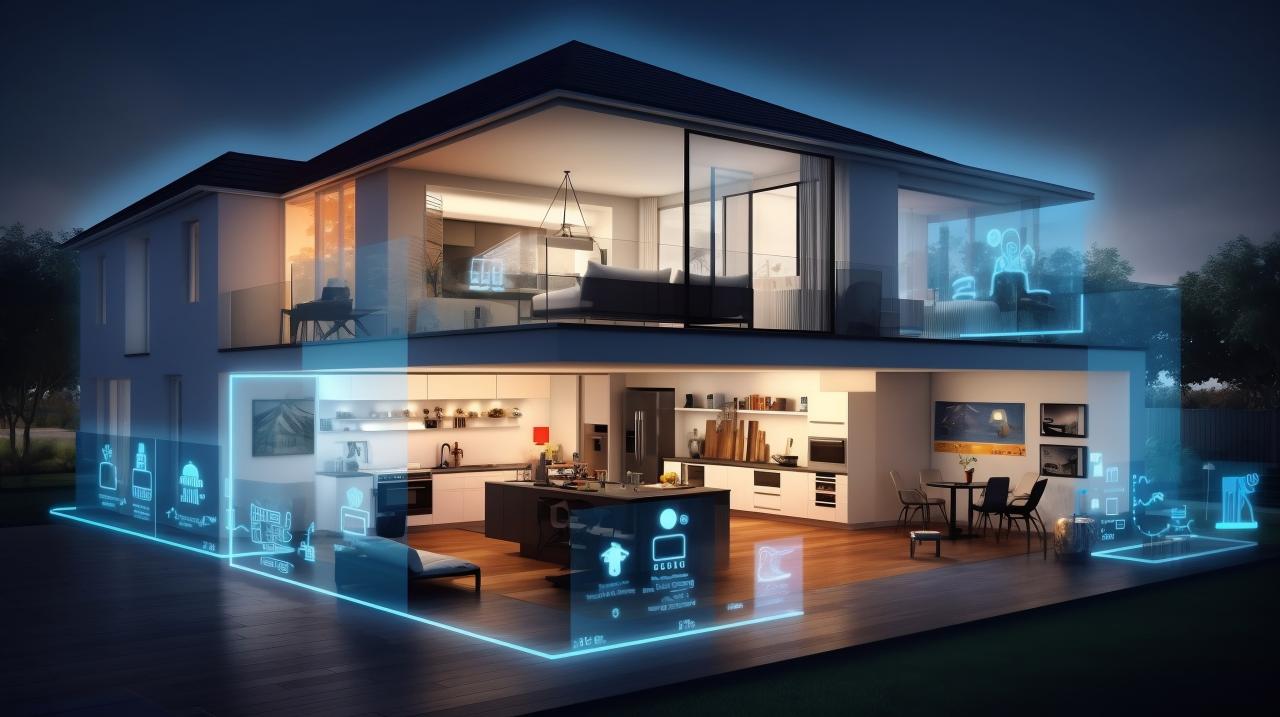
Integrating smart home systems involves connecting various devices and technologies within a home to work together seamlessly. This allows for centralized control and automation, enhancing convenience, comfort, and efficiency in everyday living.
Benefits of Centralized Control Systems and Automation
Centralized control systems and automation in a smart home offer several advantages:
- Convenience: With centralized control, homeowners can easily manage different systems such as lighting, security, HVAC, and entertainment from a single interface or device.
- Energy Efficiency: Automation enables smart devices to adjust settings based on occupancy, time of day, or environmental conditions, leading to energy savings.
- Enhanced Security: Integrated security systems can trigger alerts, lock doors, and activate surveillance cameras automatically, enhancing home security.
- Comfort and Customization: Centralized control allows for personalized settings and schedules tailored to individual preferences, enhancing overall comfort.
Selecting Compatible Smart Devices and Systems
When integrating smart home systems, it is essential to choose devices and systems that are compatible with each other for seamless operation. Here are some guidelines:
- Research Compatibility: Ensure that smart devices and systems you select are designed to work together or can be integrated using common protocols such as Zigbee, Z-Wave, or Wi-Fi.
- Consider Hub Options: Some smart home hubs act as central controllers for various devices, facilitating integration. Choose a hub that supports a wide range of devices to avoid compatibility issues.
- Future-Proofing: Opt for devices and systems that are upgradable and compatible with emerging technologies to ensure long-term compatibility and functionality.
- Professional Installation: For complex integrations or systems like HVAC, security, or lighting, consider professional installation to ensure proper setup and compatibility.
Summary
In conclusion, the Smart home architecture planning guide encapsulates the essence of modern living, blending innovation and design to create spaces that are not just intelligent but also aesthetically pleasing. With a careful balance of technology and architecture, the possibilities for smart homes are endless, promising a future where convenience and sophistication go hand in hand.
FAQ Insights
How can smart home architecture enhance living spaces?
Smart home architecture can enhance living spaces by integrating technology for increased efficiency, comfort, and convenience.
What factors should be considered when designing a smart home layout?
When designing a smart home layout, factors such as functionality, connectivity, and scalability should be carefully considered to ensure a seamless integration of smart technologies.
What are the benefits of centralized control systems in a smart home?
Centralized control systems in a smart home offer the convenience of managing various devices and systems from a single interface, enhancing overall user experience.