
Best flooring for home remodel sets the stage for this enthralling narrative, offering readers a glimpse into a story that is rich in detail with casual formal language style and brimming with originality from the outset.
When it comes to transforming your living space, the choice of flooring can make a significant impact. From the durability of hardwood to the versatility of laminate and the style options of vinyl and tile, selecting the best flooring for your home remodel is a crucial decision that requires careful consideration.
Types of Flooring Materials
When it comes to choosing flooring materials for your home remodel, there are several options to consider. Each type of flooring material has its own unique characteristics, durability, and maintenance requirements. Let's take a closer look at some popular choices:
Hardwood Flooring
Hardwood flooring is a timeless and elegant option for any home. It is known for its durability and can last for decades with proper care. Hardwood floors can be sanded and refinished multiple times, making them a long-lasting choice. However, hardwood floors may be susceptible to scratches and water damage, so it is essential to maintain them properly by avoiding excessive moisture and using protective pads on furniture.
Laminate Flooring
Laminate flooring is a more budget-friendly alternative to hardwood. It is easy to install and maintain, making it a popular choice for homeowners looking for a cost-effective option. Laminate flooring is also durable and resistant to scratches and stains. However, it may not have the same luxurious look and feel as hardwood.
Vinyl Flooring
Vinyl flooring is a versatile and affordable option that comes in a variety of styles and colors. It is water-resistant and easy to clean, making it ideal for high-traffic areas like kitchens and bathrooms. Vinyl flooring is also durable and can withstand heavy use without showing signs of wear and tear.
However, it may not have the same warmth and natural look as hardwood or laminate.
Tile Flooring
Tile flooring is a popular choice for areas prone to moisture, such as bathrooms and kitchens. It is durable, water-resistant, and easy to clean, making it a practical option for busy households. Tile flooring comes in a wide range of materials, including ceramic, porcelain, and natural stone, each with its own unique characteristics and maintenance requirements.
However, tile flooring can be cold underfoot and may require regular grout cleaning to maintain its appearance.
Considerations for Choosing the Best Flooring
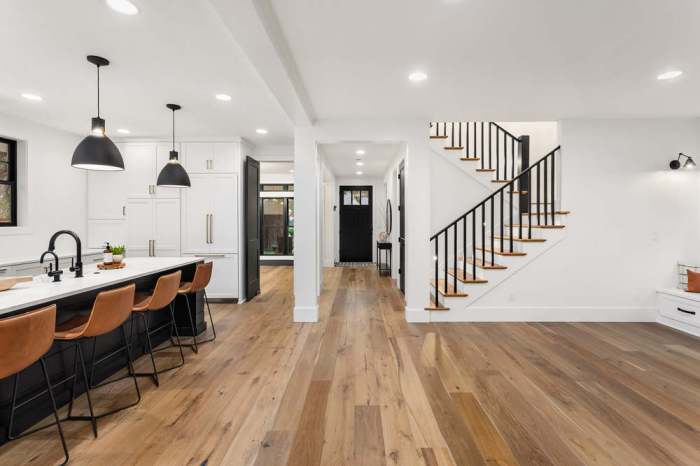
When it comes to choosing the best flooring for your home remodel, there are several important factors to consider. From budget and foot traffic to moisture resistance and design preferences, each aspect plays a crucial role in determining the most suitable flooring material for your space.
Here are some key considerations to keep in mind:
Budget-Friendly Options
- Consider your budget constraints and look for cost-effective flooring materials that meet your requirements.
- Explore options like laminate, vinyl, or engineered wood, which offer a balance between affordability and durability.
- Compare prices from different suppliers and consider installation costs to stay within your budget.
Functionality by Room
- For high-traffic areas like the kitchen or entryway, opt for durable flooring materials such as tile, stone, or hardwood.
- In moisture-prone areas like the bathroom, choose waterproof flooring like ceramic tile or luxury vinyl for long-lasting performance.
- Consider carpet or hardwood for the living room to create a cozy and inviting space for relaxation.
Design Harmony with Existing Decor
- Take into account your existing home decor and style when selecting flooring to ensure a cohesive and harmonious look.
- Coordinate flooring colors and textures with furniture, walls, and accessories for a unified aesthetic appeal.
- Choose flooring materials that complement the overall design theme of your home for a seamless transition between rooms.
Installation Process
When it comes to installing different types of flooring, there are general steps that need to be followed to ensure a successful outcome. Proper subfloor preparation is crucial before laying new flooring, as it can affect the durability and longevity of the flooring material.
Whether you choose to tackle the installation as a DIY project or hire professionals, it's important to understand the process involved.
Subfloor Preparation
Proper subfloor preparation is essential before laying new flooring. This step involves ensuring that the subfloor is clean, level, and free of any debris or imperfections that could affect the installation of the new flooring. It may also involve repairing any damage to the subfloor and adding a moisture barrier if necessary.
- Clean the subfloor thoroughly to remove any dirt, dust, or debris.
- Level any uneven areas to prevent dips or bumps in the flooring.
- Repair any damage to the subfloor, such as cracks or holes.
- Add a moisture barrier if the subfloor is prone to moisture issues.
Proper subfloor preparation is key to a successful flooring installation, as it ensures a smooth and stable surface for the new flooring material.
DIY Installation vs. Hiring Professionals
Deciding whether to tackle the flooring installation as a DIY project or hire professionals depends on various factors, including your skill level, time availability, and budget. While DIY installation can save money, hiring professionals ensures a professional finish and may be necessary for certain types of flooring.
- If you have experience with similar projects and feel confident in your skills, DIY installation can be a cost-effective option.
- Professionals have the expertise and tools to handle more complex installations and ensure a high-quality finish.
- Consider the time and effort required for DIY installation versus the convenience of hiring professionals.
For intricate or challenging flooring installations, hiring professionals may be the best choice to ensure a flawless result.
Flooring Trends and Designs
When it comes to flooring trends and designs for modern home remodels, there are several popular choices that can enhance the overall aesthetic of a home. From patterns to colors and textures, the right flooring can make a significant impact on the overall look and feel of a space.
Popular Flooring Designs
- Geometric Patterns: Geometric patterns such as herringbone or chevron are gaining popularity in modern home design. These patterns add a touch of sophistication and visual interest to any room.
- Neutral Colors: Neutral colors like beige, gray, and white are timeless choices that can create a sense of openness and airiness in a space. They also provide a versatile backdrop for various interior design styles.
- Textured Finishes: Textured finishes like hand-scraped or wire-brushed wood flooring add depth and character to a room, giving it a rustic or vintage feel.
Complementing Interior Design Styles
- Minimalist Style: For a minimalist interior design style, sleek and simple flooring options like polished concrete or large format tiles work well to create a clean and uncluttered look.
- Farmhouse Style: Rustic flooring materials like reclaimed wood or distressed hardwood can complement a farmhouse design aesthetic, adding warmth and charm to the space.
- Contemporary Style: In contemporary interiors, bold flooring choices like patterned tiles or dark hardwood floors can make a statement and add a modern touch to the overall design.
Concluding Remarks
In conclusion, choosing the best flooring for your home remodel involves a mix of practicality, aesthetics, and personal preference. By understanding the different types of materials, considering key factors, and staying updated on the latest trends, you can create a space that not only looks stunning but also stands the test of time.
Questions Often Asked
What is the most durable flooring material for high-traffic areas?
Hardwood flooring is a popular choice for high-traffic areas due to its durability and timeless appeal.
Can laminate flooring mimic the look of hardwood effectively?
Yes, laminate flooring can closely resemble hardwood in appearance while offering easy maintenance and cost-effectiveness.
How can I prevent moisture damage to my vinyl flooring?
Ensure proper installation with tight seams and use moisture-resistant underlayment to protect vinyl flooring from moisture damage.