
Exploring the world of custom home builders in my area unveils a realm of possibilities for creating the home of your dreams. From selecting the right builder to designing every detail, this journey is filled with excitement and choices that shape your living space into a personalized sanctuary.
As you delve deeper into the process, you'll discover the key elements that define a reputable builder and the steps involved in crafting a unique home that reflects your style and preferences.
Researching Custom Home Builders
When researching custom home builders in your area, it is essential to consider various factors to ensure you select the right builder for your project. Reading reviews and testimonials, as well as checking credentials and certifications, are crucial steps in the research process to guarantee a successful outcome.
Identifying Key Factors
- Experience: Look for builders with a proven track record of successfully completing custom home projects.
- Portfolio: Review the builder's portfolio to ensure their style and quality align with your vision.
- Reputation: Research the builder's reputation in the community and check for any complaints or red flags.
- Communication: Evaluate how the builder communicates and interacts with clients to ensure a smooth process.
Reading Reviews and Testimonials
When researching custom home builders, reading reviews and testimonials from past clients can provide valuable insights into the builder's work ethic, professionalism, and overall satisfaction level. Pay attention to recurring themes in reviews to get a comprehensive understanding of the builder's strengths and weaknesses.
Checking Credentials and Certifications
It is essential to verify the credentials and certifications of custom home builders to ensure they meet industry standards and regulations. Look for builders who are licensed, insured, and affiliated with reputable organizations to guarantee the quality and legality of their work.
Choosing the Right Custom Home Builder
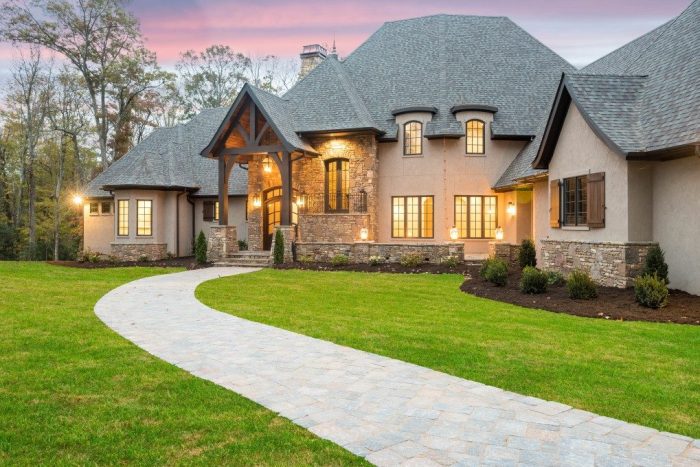
When embarking on a custom home building project, selecting the right builder is crucial to the success of the endeavor. Here are some tips to help you make an informed decision:
Visiting Model Homes or Completed Projects
One of the best ways to assess the quality of workmanship and design style of a custom home builder is by visiting their model homes or completed projects. This firsthand experience allows you to see the attention to detail, craftsmanship, and overall aesthetic of the builder's work.
Role of Budgeting and Getting Estimates
Budgeting plays a significant role in choosing the right custom home builder. It is essential to get detailed estimates from different builders to compare pricing, inclusions, and any additional costs that may arise during the construction process. Remember, the cheapest option may not always be the best choice when it comes to quality and reliability.
Advantages of Hiring Local Builders vs. National Companies
While national companies may have a broader reach and potentially more resources, hiring local custom home builders often comes with its own set of advantages. Local builders are typically more familiar with the area's regulations, suppliers, and subcontractors, which can streamline the construction process.
Additionally, local builders may offer more personalized attention and quicker response times compared to larger companies.
Designing Your Custom Home
When it comes to designing your custom home, there are several important steps involved in working with a builder to bring your vision to life. Collaborating with architects and designers is crucial to ensure that your home reflects your personal style and preferences while meeting local building codes and regulations.
Working with Architects and Designers
Collaborating with architects and designers is a key part of the custom home design process. They will help translate your ideas into tangible plans and blueprints, taking into account factors such as layout, materials, and aesthetics.
- Architects will work on the overall structure and layout of your home, ensuring that it is both functional and aesthetically pleasing.
- Designers will focus on the interior elements of your home, such as finishes, fixtures, and decor, to bring your personal style to life.
- Regular meetings and communication with architects and designers are essential to ensure that your vision is accurately captured in the design.
Incorporating Your Personal Style and Preferences
One of the most exciting aspects of designing a custom home is the opportunity to incorporate your personal style and preferences into every aspect of the design.
- Consider creating mood boards or Pinterest inspiration boards to help convey your design preferences to your architect and designer.
- Be vocal about your likes and dislikes, from color schemes to architectural styles, to ensure that the final design reflects your unique taste.
- Don't be afraid to think outside the box and explore innovative design ideas that truly speak to your personality and lifestyle.
Meeting Local Building Codes and Regulations
Ensuring that your custom home design complies with local building codes and regulations is crucial to avoid any legal issues down the line.
- Work closely with your builder, architect, and designer to ensure that the design meets all necessary building codes and regulations specific to your area.
- Consider hiring a third-party inspector to review the design plans and ensure compliance with all relevant codes and regulations.
- Make sure to factor in any zoning restrictions, setback requirements, and environmental considerations when finalizing your custom home design.
Building Process and Timeline
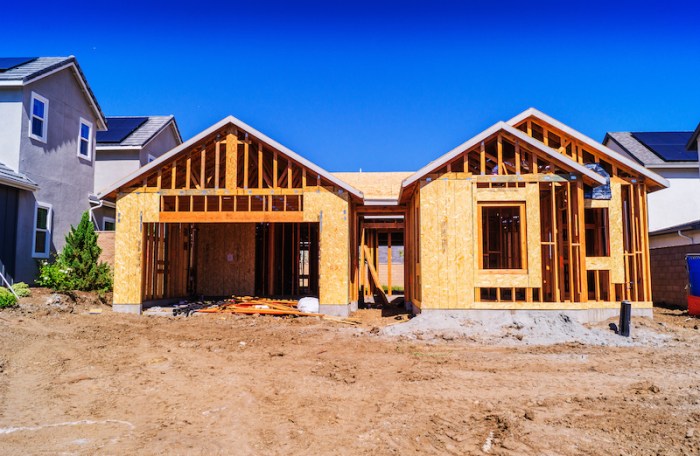
When embarking on a custom home building project, it is essential to understand the typical process and timeline involved. Effective communication with your builder throughout the construction phase is crucial to ensure that everything is on track and any issues are addressed promptly.
Overview of the Building Process
- Site Preparation: Clearing the lot, grading the land, and preparing the foundation.
- Foundation Construction: Pouring the concrete foundation and allowing it to cure.
- Frame and Structural Work: Building the frame, walls, roof, and installing windows and doors.
- Interior Finishes: Installing plumbing, electrical systems, insulation, drywall, flooring, and finishes.
- Exterior Finishes: Adding siding, roofing, landscaping, and other exterior elements.
Importance of Effective Communication
Regular communication with your builder can help prevent misunderstandings and ensure that the project stays on schedule. Any changes or delays should be communicated promptly to avoid any surprises.
Addressing Delays or Issues
- Open Communication: Discuss any concerns with your builder and work together to find solutions.
- Flexibility: Be willing to adjust timelines or plans if necessary to keep the project moving forward.
- Problem-Solving: Approach issues with a proactive mindset and collaborate with your builder to overcome challenges.
Final Inspection and Walkthrough
Before moving into your custom home, a final inspection and walkthrough should be conducted to ensure that everything is completed to your satisfaction. This is the time to address any remaining issues or concerns before officially taking ownership of your new home.
Conclusive Thoughts
In conclusion, the quest for the perfect custom home builder in your area is an adventure filled with creativity, collaboration, and meticulous planning. By following the right steps and staying true to your vision, you can turn your dream home into a reality that exceeds your expectations.
Key Questions Answered
How do I research custom home builders in my area?
To research custom home builders in your area, start by looking online for local builders, checking reviews, and asking for recommendations from friends or family.
What factors should I consider when researching custom home builders?
When researching custom home builders, consider their experience, reputation, portfolio of work, and communication style.
Why is it important to visit model homes or completed projects by the builder?
Visiting model homes or completed projects allows you to see the builder's work firsthand and assess the quality and craftsmanship.
How can I ensure that the design meets local building codes and regulations?
To ensure compliance with local building codes, work closely with your builder, architect, and designer to incorporate necessary requirements into the design.