
As global siding and roofing take the spotlight, immerse yourself in a world where quality materials and innovative solutions shape the construction landscape. This overview delves into the significance of these elements on a global scale, offering a unique perspective on an essential industry.
Dive deeper into the types of materials, roofing systems, sustainable practices, market trends, and installation guidelines that define the realm of global siding and roofing.
Overview of Global Siding and Roofing
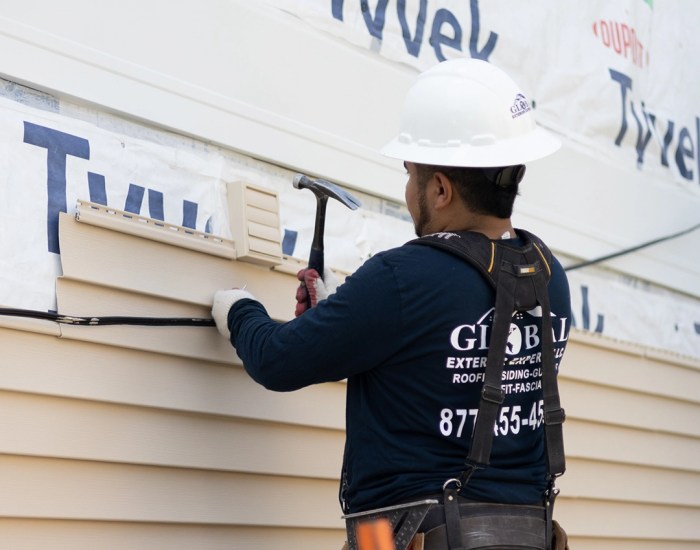
Global siding and roofing are essential components of the construction industry, providing protection and structural integrity to buildings worldwide. Siding refers to the outer covering of a building's walls, while roofing encompasses the materials used to construct the roof. Using high-quality materials for siding and roofing is crucial on a global scale as it ensures durability, energy efficiency, and aesthetic appeal.
Quality materials can withstand harsh weather conditions, reduce maintenance costs, and enhance the overall value of properties.
Impact of Climate Change
Climate change has a significant impact on the global siding and roofing industry. As extreme weather events become more frequent and intense, the demand for resilient and sustainable siding and roofing materials has increased. Builders and homeowners are now seeking options that can withstand heavy rain, strong winds, and temperature fluctuations caused by climate change.
- Increased demand for eco-friendly materials such as recycled metal, wood, and composite siding options.
- Development of innovative roofing materials with higher insulation properties to improve energy efficiency.
- Implementation of green roofing systems to reduce urban heat island effect and promote biodiversity.
Types of Siding Materials
When it comes to siding materials, there are several options available to choose from, each with its own unique characteristics and benefits. Let's explore some of the most commonly used siding materials worldwide and compare their durability and maintenance requirements.
Vinyl Siding
Vinyl siding is one of the most popular choices for homeowners due to its affordability, low maintenance, and wide range of colors and styles. It is durable, resistant to rot and insects, and easy to clean with just soap and water.
However, it may crack or fade over time, requiring replacement in some cases.
Fiber Cement Siding
Fiber cement siding is known for its durability, fire resistance, and low maintenance. It is a versatile material that can mimic the look of wood, stucco, or stone, offering a high-end appearance without the hefty price tag. While it requires painting every few years, it is less prone to cracking or warping compared to other materials.
Wood Siding
Wood siding provides a natural and timeless look to homes, with options such as cedar, pine, or redwood. It can be painted or stained in various colors, offering flexibility in design. However, wood siding requires regular maintenance, including staining or painting, sealing, and protection against moisture and pests to prevent rotting or warping.
Composite Siding
Composite siding combines wood fibers and recycled plastics to create a durable and eco-friendly material. It offers the look of wood without the maintenance, as it is resistant to rot, insects, and fading. Composite siding is available in various styles and colors, providing a sustainable option for environmentally conscious homeowners.
Metal Siding
Metal siding, such as aluminum or steel, is known for its strength, longevity, and low maintenance. It is resistant to fire, rot, and insects, making it a durable option for harsh climates. While metal siding can dent or scratch easily, it is a cost-effective choice with minimal upkeep required.
Conclusion
Each siding material has its own advantages and considerations, so it is essential to weigh the durability, maintenance requirements, cost, and aesthetic appeal when choosing the right option for your home. Whether you prioritize eco-friendliness, longevity, or design versatility, there is a siding material that suits your needs and preferences.
Roofing Systems Around the World
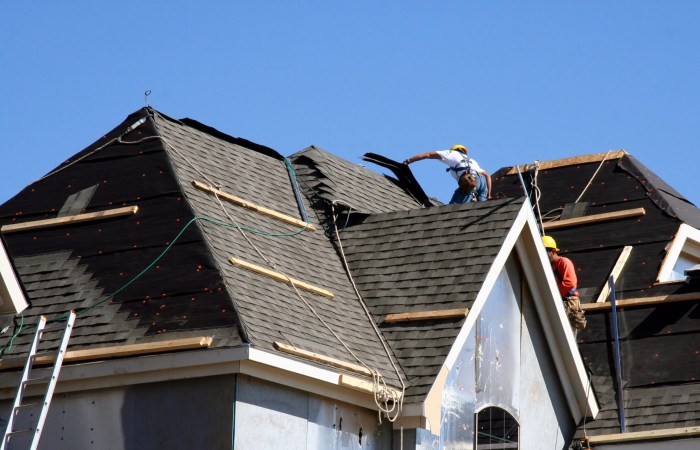
Roofing systems vary greatly around the world, influenced by factors such as climate, culture, and available resources. Traditional roofing methods have been passed down through generations, while modern technologies have brought about innovative solutions for energy efficiency and durability.
Traditional Roofing Systems
In regions like Scandinavia, thatch roofing made of straw or reeds has been a popular choice for centuries due to its insulating properties. In the Mediterranean, red clay tiles are commonly used for their ability to reflect sunlight and keep homes cool.
In the Middle East, flat roofs made of mud bricks or concrete provide a practical solution for arid climates.
Modern Roofing Technologies
Modern roofing technologies have revolutionized the industry, with materials like metal roofing becoming increasingly popular for their durability and longevity. Solar panels integrated into roofing systems are gaining traction worldwide, offering a sustainable energy solution. Green roofs, covered in vegetation, are becoming more prevalent in urban areas for their environmental benefits.
Energy-Efficient Roofing Solutions
Energy-efficient roofing solutions are crucial in different climates to reduce heating and cooling costs. Cool roofs, designed to reflect sunlight and absorb less heat, are ideal for hot climates, while insulated roofs help retain heat in colder regions. The use of sustainable materials like recycled metal and composite shingles is also on the rise to minimize environmental impact
Sustainable Practices in Siding and Roofing
In today's world, sustainability has become a crucial aspect of any industry, including the siding and roofing sector. Companies are increasingly focusing on sustainable practices to reduce environmental impact and promote long-term benefits for the planet.
Manufacturing of Siding and Roofing Materials
When it comes to the manufacturing of siding and roofing materials, sustainable practices involve using eco-friendly materials, reducing waste, and minimizing energy consumption. Companies are opting for recycled materials, such as reclaimed wood or recycled metal, to create siding and roofing products.
Additionally, many manufacturers are implementing energy-efficient processes to reduce their carbon footprint.
Integration of Sustainability in Installation
Sustainability is not just limited to the manufacturing process; it is also integrated into the installation of siding and roofing systems. Contractors are adopting practices that focus on reducing waste during installation, optimizing energy efficiency, and ensuring proper disposal of old materials.
By using durable and energy-efficient materials, such as solar panels or cool roofs, homeowners can minimize their environmental impact and reduce energy costs.
Benefits of Sustainable Siding and Roofing Solutions
The benefits of sustainable siding and roofing solutions are manifold. Not only do they help reduce the environmental impact of construction projects, but they also contribute to improved energy efficiency and lower utility bills for homeowners. Sustainable materials are often more durable and require less maintenance, leading to long-term cost savings.
By choosing sustainable siding and roofing solutions, individuals can contribute to a greener future while enjoying the benefits of a more energy-efficient home.
Global Market Trends and Innovations
The global siding and roofing market is experiencing several exciting trends and innovations that are reshaping the industry. From advancements in materials to the integration of digital technologies, the sector is constantly evolving to meet the demands of modern construction practices.
Advancements in Materials
- Composite materials: The use of composite materials in siding and roofing has gained popularity due to their durability and low maintenance requirements.
- Green materials: Sustainable options such as recycled materials and eco-friendly products are becoming more prevalent in the market as consumers prioritize environmental consciousness.
- High-performance coatings: Innovations in coatings are enhancing the longevity and performance of siding and roofing materials, reducing the need for frequent maintenance.
Digital Technologies in the Industry
- Virtual reality and 3D modeling: These technologies are being utilized for design visualization, allowing customers to see how different siding and roofing options will look on their homes before making a decision.
- Drones and aerial imaging: Drones are increasingly used for roof inspections, improving safety and efficiency in the assessment of roofing conditions.
- Mobile apps and software solutions: Various apps and software tools are available to assist contractors and homeowners in project management, material selection, and maintenance scheduling.
Installation and Maintenance Guidelines
Installing siding and roofing systems correctly is crucial to ensure the structural integrity and longevity of your home. Regular maintenance is also key in preventing costly repairs and extending the lifespan of your siding and roofing. Here are some guidelines to help homeowners with the installation and maintenance of their siding and roofing systems.
Step-by-Step Installation Guidelines
- Start by preparing the surface where the siding or roofing will be installed, ensuring it is clean and free of debris.
- Follow the manufacturer's instructions carefully when installing the siding or roofing materials, including using the appropriate tools and techniques.
- Make sure to properly seal all seams and joints to prevent water infiltration, which can lead to damage and mold growth.
- Regularly inspect the siding and roofing for any signs of damage or wear and tear, and address any issues promptly to prevent further damage.
Importance of Regular Maintenance
- Regular maintenance helps identify and address minor issues before they escalate into major problems, saving homeowners time and money in the long run.
- Cleaning gutters, removing debris, and trimming overhanging branches can help prevent water damage and prolong the lifespan of siding and roofing materials.
- Inspecting the siding and roofing for signs of damage, such as cracks, leaks, or missing shingles, can help prevent water infiltration and structural issues.
Tips for Homeowners
- Look for signs of water stains on ceilings or walls, which can indicate a leak in the roofing system.
- Check for loose or missing siding panels, as well as gaps or cracks in the siding, which can allow moisture to penetrate and cause damage.
- Regularly clean debris from gutters and downspouts to prevent water buildup and potential water damage to the siding and roofing.
Concluding Remarks
In conclusion, the intricate tapestry of global siding and roofing showcases a blend of tradition, innovation, and sustainability. From materials to market trends, this sector continues to evolve, promising a future where durability and environmental consciousness go hand in hand.
FAQ
What are the benefits of using high-quality materials for siding and roofing?
High-quality materials ensure durability, longevity, and better protection against harsh weather conditions, ultimately saving costs on repairs and replacements.
What are some examples of eco-friendly siding materials?
Examples include recycled vinyl, reclaimed wood, fiber cement, and metal siding made from recyclable materials.
How can homeowners spot early signs of siding and roofing damage?
Look out for issues like leaks, missing shingles, cracks, mold growth, or sagging areas, and promptly address them to prevent further damage.