
Delving into the transformative impact of AI on the architecture industry, this exploration unveils the dynamic changes taking place in architectural design processes. Brace yourself for a journey through the realm where innovation meets tradition, reshaping the very essence of architectural creation.
As we navigate through the intricate web of artificial intelligence and architectural ingenuity, a new horizon emerges, promising a future where creativity and sustainability intertwine seamlessly.
Overview of AI in architecture
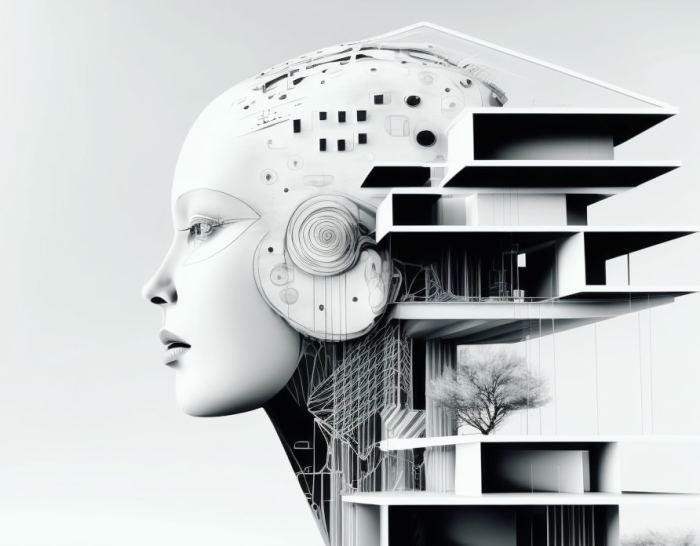
Artificial Intelligence (AI) is revolutionizing the architecture industry by enhancing the design process, improving efficiency, and enabling innovative solutions to complex challenges. AI technologies are being integrated into various aspects of architectural design, from conceptualization to construction, leading to more sustainable and intelligent buildings.
Role of AI in Architecture
AI plays a crucial role in architecture by analyzing vast amounts of data, generating design solutions, and optimizing building performance. By leveraging machine learning algorithms, AI can assist architects in creating designs that are not only aesthetically pleasing but also functional and environmentally friendly.
- AI helps architects in site analysis by processing geospatial data to identify optimal locations for construction based on factors like sunlight exposure, wind patterns, and environmental impact.
- AI algorithms can generate design options based on specified parameters, enabling architects to explore a wide range of possibilities and make informed decisions quickly.
- AI-driven simulations can predict the performance of buildings in terms of energy efficiency, natural lighting, and thermal comfort, allowing architects to optimize designs for sustainability.
Integration of AI in Architectural Design Processes
The integration of AI in architectural design processes is transforming the way architects work, enabling them to streamline workflows, automate repetitive tasks, and focus on creativity and innovation.
- AI-powered software tools like generative design platforms can assist architects in exploring and evaluating numerous design alternatives, accelerating the iterative design process.
- AI algorithms can analyze historical data on building performance to inform design decisions, leading to more efficient and cost-effective solutions.
- AI-enhanced visualization tools allow architects to create realistic 3D models and virtual reality simulations, facilitating better communication with clients and stakeholders.
Examples of AI Applications in Architecture
AI applications in architecture are diverse and constantly evolving, with innovative solutions emerging in areas such as design optimization, energy modeling, and construction automation.
- AI-driven parametric design tools enable architects to create complex geometries and intricate patterns that are tailored to specific project requirements.
- AI algorithms can analyze building performance data in real-time, optimizing operational efficiency and reducing energy consumption in smart buildings.
- AI-powered robots and drones are being used in construction processes for tasks such as site surveying, material handling, and quality control, increasing productivity and safety on construction sites.
AI-driven design tools
AI-driven design tools are revolutionizing the way architects approach the design process. By leveraging artificial intelligence, architects can now explore innovative design solutions and streamline the entire design workflow.
Enhanced Design Capabilities
AI-driven design tools offer architects a wide range of benefits that traditional design methods cannot match. These tools can analyze vast amounts of data, identify patterns, and generate design options based on specific parameters. This enables architects to explore more design possibilities in a shorter amount of time, leading to more creative and efficient design solutions.
- AI-driven design tools can optimize building layouts based on factors like natural light, energy efficiency, and spatial organization.
- These tools can generate design variations quickly, allowing architects to compare and evaluate different options in a fraction of the time it would take using traditional methods.
- By automating repetitive tasks, AI-driven design tools free up architects to focus on more creative and strategic aspects of the design process.
Improved Decision-Making
AI-driven design tools also help architects make more informed decisions throughout the design process. By analyzing data and predicting outcomes, these tools enable architects to assess the impact of design choices before implementation, reducing the risk of costly errors or revisions.
- AI can analyze historical building data to inform design decisions, ensuring that new projects benefit from past successes and lessons learned.
- These tools can simulate various environmental conditions and their impact on building performance, allowing architects to design more sustainable and resilient structures.
- AI-driven design tools can also optimize material selection and construction techniques to improve efficiency and reduce waste.
Enhancing creativity with AI
AI is revolutionizing the architecture industry by enhancing architects' creativity through innovative design solutions. By leveraging AI tools, architects can explore new possibilities and push the boundaries of traditional design methods.
AI-assisted Design Process
AI tools help architects in generating unique design solutions by analyzing vast amounts of data, identifying patterns, and proposing alternative design options. For example, AI algorithms can analyze user preferences, building materials, and environmental factors to suggest design modifications that optimize both aesthetics and functionality
- AI-powered software like Generative Design allows architects to input parameters and constraints, letting the AI algorithm generate multiple design options based on the criteria provided. This enables architects to explore a wide range of design possibilities quickly and efficiently.
- AI-driven tools can also assist in complex problem-solving, such as optimizing building layouts for maximum space utilization or energy efficiency. By automating repetitive tasks, architects can focus more on the creative aspects of the design process.
- AI algorithms can analyze historical architectural data, helping architects understand design trends and innovations that can inspire new creative solutions. By learning from past projects, architects can incorporate successful design elements into their current work while adding their unique creative touch.
AI for sustainable architecture
AI is revolutionizing the architecture industry by driving sustainable design practices and optimizing energy efficiency in buildings. By harnessing the power of artificial intelligence, architects can create environmentally friendly structures that minimize resource consumption and reduce carbon footprints.
Impact of AI on achieving sustainability
AI plays a crucial role in achieving sustainability in architectural designs by analyzing complex data sets to optimize building performance. By utilizing AI-driven tools, architects can simulate various scenarios to determine the most energy-efficient solutions, leading to environmentally conscious design decisions.
Optimizing energy efficiency in buildings
- AI algorithms can analyze building data to optimize heating, cooling, and lighting systems for maximum energy efficiency.
- Machine learning models can predict energy consumption patterns and suggest adjustments to reduce wastage.
- AI-powered sensors can monitor real-time energy usage and adjust building settings accordingly to minimize energy waste.
Examples of sustainable architectural projects driven by AI
- The Edge in Amsterdam, known as the world's most sustainable office building, was designed using AI algorithms to maximize energy efficiency and reduce carbon emissions.
- The CIS Tower in Manchester implemented AI-driven systems to optimize energy consumption and reduce utility costs, showcasing the potential of AI in sustainable architecture.
- Project Sunbreak in California utilized AI technology to design a net-zero energy building that generates as much energy as it consumes, showcasing the possibilities of AI in creating sustainable structures.
Collaboration and communication with AI
AI tools have revolutionized the way architects collaborate and communicate with various stakeholders throughout the architectural project lifecycle. By leveraging AI-driven technologies, teams can streamline their processes, enhance efficiency, and improve overall project outcomes.
Facilitating Collaboration
- AI tools such as project management software help architects collaborate in real-time, allowing team members to access project data, make updates, and communicate seamlessly.
- Virtual reality (VR) and augmented reality (AR) tools powered by AI enable architects to visualize designs and share them with clients and team members, fostering better collaboration and understanding.
- AI algorithms can analyze vast amounts of data to provide insights and recommendations, assisting architects in making informed decisions and working together more effectively.
Enhancing Communication
- AI-powered chatbots and virtual assistants can automate routine communication tasks, freeing up architects' time to focus on more critical aspects of the project.
- Natural language processing (NLP) technology enables architects to communicate with AI systems using voice commands, making it easier to access information, generate reports, and collaborate with team members.
- AI tools for real-time language translation help architects communicate with international clients and partners, breaking down language barriers and facilitating global collaboration.
Final Review

Concluding our discussion on the profound influence of AI in architecture, we witness a paradigm shift that transcends boundaries and opens new avenues for collaboration, creativity, and sustainable design. The fusion of AI and architecture heralds a promising era where technology and artistry converge to redefine the essence of architectural innovation.
FAQ Compilation
How does AI impact architectural design processes?
AI streamlines design tasks, enhances efficiency, and offers new possibilities for creative exploration.
What are some examples of AI applications in architecture?
AI is used for generative design, energy optimization, and improving collaboration among stakeholders.
How does AI contribute to sustainability in architectural designs?
AI helps optimize energy usage, reduce waste, and create environmentally friendly building solutions.