
Exploring the impact of AI on the architecture industry, this article delves into the revolutionary changes brought about by artificial intelligence. From transforming design processes to enhancing visualization techniques, AI's influence is reshaping the architectural landscape in profound ways.
Overview of AI in architecture
Artificial Intelligence (AI) has made significant strides in revolutionizing the architecture industry by offering innovative solutions to traditional design processes. AI refers to the simulation of human intelligence processes by machines, including learning, reasoning, and self-correction. In architecture, AI is being used to streamline design workflows, enhance sustainability, and improve efficiency in various aspects of architectural practice.
Streamlining Design Processes
AI-powered tools like generative design software can quickly generate numerous design options based on specified parameters, allowing architects to explore a wide range of possibilities in a fraction of the time it would take manually. This accelerates the design iteration process and enables architects to make more informed decisions.
Enhancing Sustainability
AI can analyze vast amounts of data to optimize building performance and energy efficiency. By simulating various environmental conditions and building configurations, AI can help architects design more sustainable structures that consume less energy and reduce their environmental impact.
Improving Efficiency
AI algorithms can assist architects in tasks such as site analysis, building code compliance, and project management. By automating repetitive tasks and providing data-driven insights, AI enables architects to focus more on creative aspects of design and deliver projects more efficiently.
AI-driven design tools
In the architecture industry, AI-driven design tools are revolutionizing the way projects are conceptualized, designed, and executed. These tools leverage artificial intelligence to enhance creativity, efficiency, and precision in architectural projects.
Specific AI Tools and Software
- Generative Design Software: AI-powered tools like Autodesk's Generative Design software allow architects to input parameters and constraints, then generate numerous design options based on algorithms.
- Parametric Modeling Tools: Software like Grasshopper and Dynamo use AI algorithms to create complex geometric forms and structures based on predefined parameters set by architects.
- Virtual Reality and Augmented Reality: AI-driven VR and AR tools enable architects to visualize designs in a virtual environment, making it easier to identify design flaws and make real-time adjustments.
Comparison with Traditional Design Methods
- Speed and Efficiency: AI-driven design tools can significantly reduce the time required for designing and iterating on architectural projects compared to traditional manual methods.
- Exploration of Design Options: AI tools can generate a multitude of design variations quickly, allowing architects to explore more creative possibilities than what is feasible with traditional methods.
- Optimization and Analysis: AI tools can analyze large datasets and optimize designs based on various parameters, leading to more efficient and sustainable architectural solutions.
Enhancing Creativity and Efficiency
AI-driven design tools not only streamline the design process but also enhance creativity by providing architects with new insights and innovative design solutions. By automating repetitive tasks and complex calculations, architects can focus more on the creative aspects of their projects, leading to more imaginative and sustainable designs.
Impact on architectural visualization
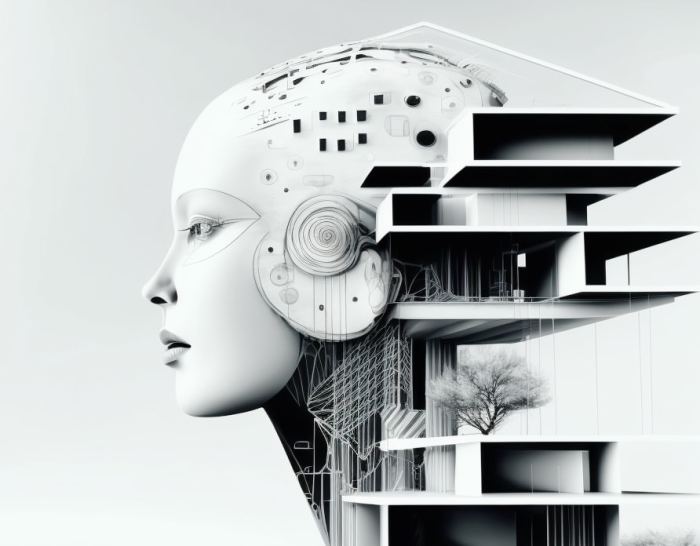
AI technology is revolutionizing the way architects visualize and present their designs. By leveraging AI-driven tools, architects can now create stunning and realistic renderings that provide clients with a clear vision of the final product. This not only enhances the design process but also streamlines client communication and project approvals.
Enhanced Realism in Renderings
AI algorithms enable architects to generate highly detailed and lifelike renderings that accurately depict the proposed design. By analyzing vast amounts of data, AI can simulate lighting conditions, textures, and materials with unparalleled accuracy, creating visuals that closely resemble the actual finished project.
Virtual Walkthroughs and Interactive Presentations
AI-powered tools also allow architects to create virtual walkthroughs and interactive presentations that offer clients a more immersive experience. By incorporating AI-generated visualizations, architects can showcase different design options, variations, and configurations in a dynamic and engaging manner, enabling clients to make informed decisions and provide feedback in real-time.
Improved Client Communication and Project Approvals
The use of AI in architectural visualization has significantly improved client communication and project approvals. By presenting realistic renderings and virtual walkthroughs, architects can effectively convey their design concepts and ideas to clients, helping them visualize the final outcome more clearly.
This not only enhances client satisfaction but also accelerates the approval process, leading to faster project timelines and increased efficiency.
Sustainable architecture and AI

Artificial Intelligence (AI) is playing a crucial role in revolutionizing the architecture industry towards more sustainable practices. By harnessing the power of AI, architects and designers can optimize building designs to be more energy-efficient and environmentally friendly.
AI Applications for Sustainable Architecture
AI applications in sustainable architecture are diverse and impactful. Here are some examples:
- Building Energy Optimization: AI algorithms can analyze data on energy consumption patterns and optimize building systems to reduce energy usage without compromising comfort levels.
- Material Selection: AI can assist in selecting sustainable materials by analyzing their environmental impact, helping architects make informed decisions for eco-friendly construction.
- Climate Analysis: AI tools can simulate various climate scenarios to design buildings that are resilient to changing weather patterns and reduce their carbon footprint.
Future Potential of AI in Sustainable Architecture
The future of AI in sustainable architecture looks promising, with advancements in machine learning and data analytics. AI can further enhance sustainability by:
- Carbon Footprint Reduction: AI can optimize building operations in real-time to minimize carbon emissions and overall environmental impact.
- Smart Cities Development: AI-driven solutions can facilitate the design of smart cities with sustainable infrastructure and efficient resource management.
- Renewable Energy Integration: AI algorithms can optimize the integration of renewable energy sources into building designs, promoting a shift towards cleaner energy solutions.
Last Word
In conclusion, the integration of AI in architecture is not just a trend but a transformative force driving innovation and sustainability. As AI continues to evolve, its role in shaping the future of architectural practices will only become more significant.
FAQ Explained
How does AI impact architectural design processes?
AI streamlines design workflows, enhances creativity, and improves efficiency by automating tasks like generating design options and analyzing complex data.
Can AI tools replace human architects?
No, AI tools serve as aids to architects, assisting in tasks to improve productivity and innovation, but human creativity and expertise are still essential in the design process.
What are some examples of AI applications in sustainable architecture?
AI is used to optimize energy consumption, simulate environmental performance, and create designs that prioritize sustainability and eco-friendliness.