
Exploring the realm of Minimalist architecture ideas for small spaces unveils a world where simplicity meets functionality. From innovative furniture designs to the play of natural light, this topic delves into the art of maximizing space while maintaining a sleek aesthetic.
Join us on this journey of design ingenuity and space optimization.
In this article, we will delve into the key principles of minimalist architecture, the importance of space-saving furniture, the impact of natural light, ventilation, and monochromatic color schemes in creating a minimalist space.
Minimalist architecture principles
Minimalist architecture is characterized by simplicity, functionality, and the use of clean lines and neutral colors. The key principles of minimalist architecture include:
Simplicity
Minimalist design focuses on simplicity and the elimination of unnecessary elements. This helps create a sense of calm and order in a space.
Functionality
Every element in a minimalist space serves a purpose. Furniture and decor are carefully selected to be both aesthetically pleasing and functional.
Clean lines
Minimalist architecture often features clean, straight lines that contribute to a sense of openness and spaciousness.
Neutral colors
Neutral colors like white, beige, and gray are commonly used in minimalist design to create a sense of tranquility and to allow other elements in the space to stand out.
Maximizing space in small areas
In small spaces, minimalist architecture can maximize space by:
- Using multi-functional furniture, such as a sofa bed or a coffee table with storage compartments, to save space and reduce clutter.
- Opting for built-in storage solutions like wall-mounted shelves or cabinets to keep the space organized and free of unnecessary items.
- Incorporating light colors and natural light to make the space feel larger and more open.
- Keeping the design simple and uncluttered to create a sense of spaciousness even in a small area.
Comparison with other design styles
When compared to other design styles, minimalist architecture excels in space utilization by focusing on simplicity and functionality rather than ornate decorations or bulky furniture. While styles like traditional or eclectic design may incorporate more decorative elements that can make a space feel crowded, minimalist architecture emphasizes open space and clean lines to maximize the perceived size of a room.
Space-saving furniture ideas
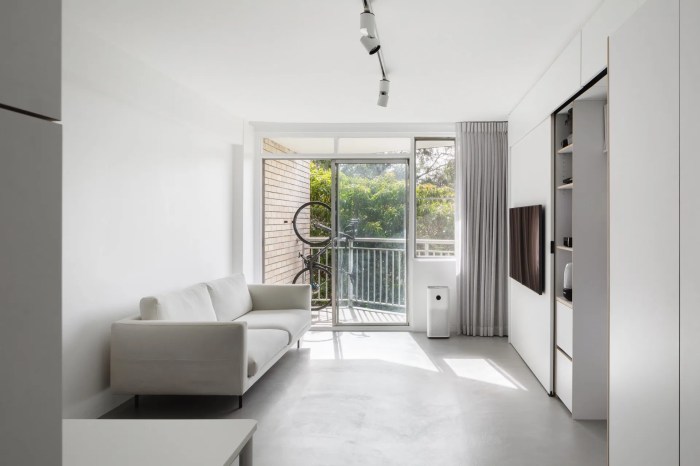
When it comes to designing small spaces with minimalist architecture, choosing the right furniture is crucial. Opting for space-saving furniture can make a significant difference in maximizing functionality and aesthetics.
Multi-functional furniture plays a key role in minimalist architecture by serving multiple purposes within limited space. It not only saves space but also adds versatility to the design, allowing for a more efficient use of the area.
Convertible Sofa Beds
Convertible sofa beds are perfect for small living rooms or studio apartments. They can be used as a sofa during the day and easily transformed into a bed at night, providing both seating and sleeping options without taking up extra space.
Wall-mounted Desks
Wall-mounted desks are ideal for home offices or study areas in small spaces. They can be folded up when not in use, saving valuable floor space. Pairing a wall-mounted desk with a comfortable chair creates a functional workspace without overcrowding the room.
Nested Tables
Nested tables are a great addition to any small living room or bedroom. These tables can be stacked together when not in use, offering extra surface area when needed
Natural light and ventilation
When it comes to minimalist architecture, natural light and ventilation play a crucial role in creating a sense of openness, harmony, and tranquility in small spaces. They not only enhance the overall aesthetic appeal but also contribute to the well-being of the occupants by providing a connection to the outdoors and a feeling of spaciousness.
Maximizing natural light in small spaces
One of the key strategies for maximizing natural light in small spaces is to keep windows unobstructed and use sheer curtains or blinds that allow light to filter through. Additionally, incorporating reflective surfaces such as mirrors or light-colored walls can help bounce natural light around the room, making it feel brighter and more expansive.
- Install skylights or light tubes to bring in additional natural light from above.
- Consider using glass partitions or doors to allow light to flow freely between rooms.
- Position furniture strategically to avoid blocking windows and light sources.
Impact of natural elements on minimalist space
Natural elements such as light, air, and greenery have a profound impact on the overall feel of a minimalist space. They create a sense of serenity, freshness, and vitality, elevating the ambiance and promoting a more sustainable living environment.
By harnessing the power of natural light and ventilation, minimalist architecture can achieve a harmonious balance between simplicity and functionality, creating a space that is both visually appealing and conducive to well-being.
Monochromatic color schemes
Monochromatic color schemes in minimalist architecture involve using variations of a single color to create a cohesive and harmonious design aesthetic. This approach can help in creating a sense of simplicity, elegance, and serenity in small spaces.
Use of monochromatic color schemes
Monochromatic color schemes typically consist of different shades, tints, and tones of a single color. For example, using varying shades of white, gray, or beige can visually expand a small space by avoiding visual clutter. The consistency of color throughout the space can create a seamless flow and make the area feel larger than it actually is.
Creating the illusion of space
By incorporating light and airy monochromatic colors, such as soft pastels or muted neutrals, into the design of a small space, it is possible to enhance the perception of openness and airiness. Light colors reflect natural light, making the space appear brighter and more spacious.
Additionally, using a single color throughout the space can eliminate visual distractions and create a clean and uncluttered environment.
Psychological effects of color
Colors have a profound impact on human emotions and behavior. In minimalist design, monochromatic color schemes can evoke feelings of calmness, tranquility, and sophistication. For example, cool tones like blue and green are known to have a calming effect, while warm tones like yellow and orange can create a sense of warmth and coziness.
By carefully selecting and layering monochromatic colors, designers can create a harmonious and inviting atmosphere in small spaces.
Last Word
In conclusion, Minimalist architecture ideas for small spaces offer a harmonious blend of style and functionality. By embracing simplicity and strategic design elements, one can transform even the tiniest of spaces into a sanctuary of modern elegance. Dive into the world of minimalist architecture and unlock the potential of your small space today.
Questions and Answers
How can minimalist design maximize space in small areas?
Minimalist design focuses on simplicity, clean lines, and clutter-free spaces, which help create an illusion of more space in small areas.
Why is natural light important in minimalist architecture?
Natural light enhances the feeling of openness and airiness in a minimalist space, creating a welcoming and serene atmosphere.
What are some examples of space-saving furniture for small spaces?
Examples include wall-mounted desks, storage ottomans, and sofa beds that offer dual functionality without taking up much space.
How does color play a role in minimalist architecture?
Color schemes like monochromatic tones or neutrals create a cohesive and calming environment in minimalist spaces, while also contributing to the illusion of space.