
Exploring the realm of modern home design ideas by top architects unveils a world where innovation and creativity converge to redefine the concept of living spaces. From cutting-edge materials to seamless integration of outdoor elements, this topic delves into the dynamic landscape of architectural design, offering a fresh perspective on creating homes that are both functional and aesthetically pleasing.
As we delve deeper into the intricacies of modern home design by top architects, we uncover a tapestry of ideas that blend form and function in a harmonious symphony of style and innovation.
Overview of Modern Home Design Ideas
Modern home design is characterized by clean lines, open spaces, and minimalistic aesthetics. It focuses on simplicity, functionality, and the use of modern materials such as glass, steel, and concrete. Incorporating modern elements into home design can create a sleek and sophisticated living space that is both stylish and practical.
Key Characteristics of Modern Architecture
- Minimalistic design: Modern homes often feature clean lines and simple forms, avoiding excessive ornamentation.
- Open floor plans: Spaces flow seamlessly from one room to another, creating a sense of openness and connectivity.
- Use of modern materials: Glass, steel, and concrete are commonly used in modern architecture to create a sleek and contemporary look.
- Emphasis on natural light: Large windows and skylights are used to maximize natural light and create bright, airy interiors.
- Integration of indoor and outdoor spaces: Modern homes often blur the boundaries between indoor and outdoor living, allowing for a seamless connection to nature.
Top Architects in Modern Home Design

When it comes to modern home design, there are several renowned architects who have made significant contributions to the field. Each architect brings their unique style and approach to creating innovative and functional living spaces.
1. Frank Lloyd Wright
Frank Lloyd Wright is considered one of the pioneers of modern architecture. His designs often incorporate natural elements and open floor plans, blurring the lines between indoor and outdoor spaces. Wright's signature style includes the use of geometric shapes and organic materials like wood and stone.
2. Richard Meier
Richard Meier is known for his sleek and minimalist designs that emphasize light, space, and geometry. His buildings often feature white facades, clean lines, and large windows to maximize natural light. Meier's work is characterized by a sense of purity and simplicity.
3. Zaha Hadid
Zaha Hadid was a groundbreaking architect known for her avant-garde designs that push the boundaries of architecture. Her buildings often feature futuristic shapes, bold angles, and innovative use of materials. Hadid's work challenges traditional notions of form and space.
Innovative Materials and Techniques
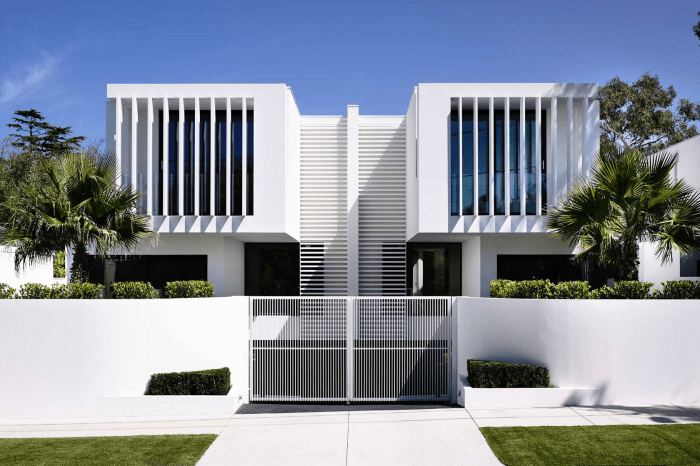
In modern home design, architects are constantly exploring cutting-edge materials and techniques to create sustainable and efficient living spaces. By incorporating innovative materials and construction methods, they can achieve both aesthetic appeal and environmental responsibility.
Cutting-edge Materials
- Carbon Fiber Reinforced Polymer (CFRP): CFRP is a lightweight and high-strength material that is being used in modern architecture to create durable and resilient structures.
- Transparent Solar Panels: These panels can be integrated into windows and facades to generate electricity while allowing natural light to enter the space.
- Cross-Laminated Timber (CLT): CLT is a sustainable and versatile material that is used for its strength and thermal insulation properties in modern home construction.
Innovative Construction Techniques
- 3D Printing: Architects are utilizing 3D printing technology to create intricate and customized building components with less material waste.
- Prefabrication: Prefabricated elements are manufactured off-site and assembled on-site, reducing construction time and minimizing environmental impact.
- Passive Design Strategies: Architects are incorporating passive design techniques such as natural ventilation and daylighting to reduce energy consumption and enhance the comfort of occupants.
Sustainable Practices
- Green Roofs: Green roofs help to reduce stormwater runoff, improve air quality, and provide insulation, contributing to a more sustainable built environment.
- Recycled Materials: Architects are repurposing materials like reclaimed wood, glass, and metal to reduce waste and lower the carbon footprint of construction projects.
- Energy-Efficient Systems: Integration of energy-efficient HVAC systems, lighting, and appliances helps to minimize energy consumption and lower utility costs for homeowners.
Interior Design Trends
In the world of modern interior design, trends are constantly evolving to meet the needs and desires of homeowners looking to create a stylish and functional living space. Architects play a crucial role in integrating functionality with aesthetics to ensure that each design not only looks good but also serves a practical purpose.
Here are some ideas for creating a cohesive and stylish interior space that reflects the latest trends in modern home design.
Minimalist Design
One of the most popular trends in modern interior design is minimalist design. This style focuses on simplicity, clean lines, and a clutter-free environment. Architects achieve this by using sleek furniture, neutral color palettes, and plenty of natural light to create a sense of openness and tranquility.
Smart Home Technology Integration
Another emerging trend in modern interior design is the integration of smart home technology. Architects are now incorporating features such as automated lighting, smart thermostats, and voice-controlled assistants to enhance the functionality and convenience of the home. These technological advancements not only make daily tasks easier but also add a futuristic and sophisticated touch to the interior design.
Biophilic Design Elements
Biophilic design, which incorporates elements of nature into the indoor environment, is gaining popularity in modern home design. Architects are integrating features such as living green walls, indoor gardens, and natural materials like wood and stone to create a connection to the outdoors.
These elements not only enhance the aesthetic appeal of the space but also promote a sense of well-being and harmony with nature.
Outdoor Living Spaces
Outdoor living spaces play a crucial role in modern home design, providing homeowners with opportunities to connect with nature, relax, and entertain guests. Architects today are incorporating outdoor elements seamlessly into their designs, blurring the lines between indoor and outdoor spaces.
By carefully considering the layout, materials, and functionality of outdoor areas, architects can create functional and visually appealing spaces that enhance the overall design of the home.
Incorporating Nature
- Architects often use large windows, sliding glass doors, and skylights to maximize natural light and views of the outdoor surroundings.
- Outdoor living spaces are seamlessly integrated into the overall design of the home, creating a harmonious flow between indoor and outdoor areas.
- Architects may incorporate features such as green roofs, living walls, and outdoor gardens to bring nature closer to the residents.
Designing Functional Spaces
- Architects consider the climate and local environment when designing outdoor spaces to ensure they are comfortable and usable year-round.
- Outdoor kitchens, dining areas, lounges, and fire pits are popular additions that enhance the functionality of outdoor living spaces.
- Architects may use pergolas, awnings, and landscaping to create privacy and shade in outdoor areas.
Creating Visual Appeal
- The use of high-quality materials, such as natural stone, wood, and metal, can enhance the aesthetic appeal of outdoor living spaces.
- Architects carefully select furniture, lighting, and decor to complement the overall design of the home and create a cohesive look.
- Water features, fire elements, and art installations are often used to add visual interest and create focal points in outdoor areas.
Conclusion
In conclusion, modern home design ideas by top architects open the door to a world where imagination knows no bounds and where the fusion of artistry and practicality creates spaces that inspire and delight. From interior design trends to outdoor living spaces, the possibilities are endless, inviting us to explore and embrace the beauty of contemporary architectural marvels.
Helpful Answers
What makes modern home design different from traditional styles?
Modern home design emphasizes clean lines, minimalism, and the use of industrial materials, while traditional styles often focus on ornate details and intricate craftsmanship.
How do architects incorporate sustainability into modern home design?
Architects integrate sustainability by using eco-friendly materials, implementing energy-efficient systems, and designing spaces that maximize natural light and ventilation.
Why are outdoor living spaces important in modern home design?
Outdoor living spaces enhance the overall living experience, blur the boundaries between indoor and outdoor areas, and provide opportunities for relaxation and entertainment.