
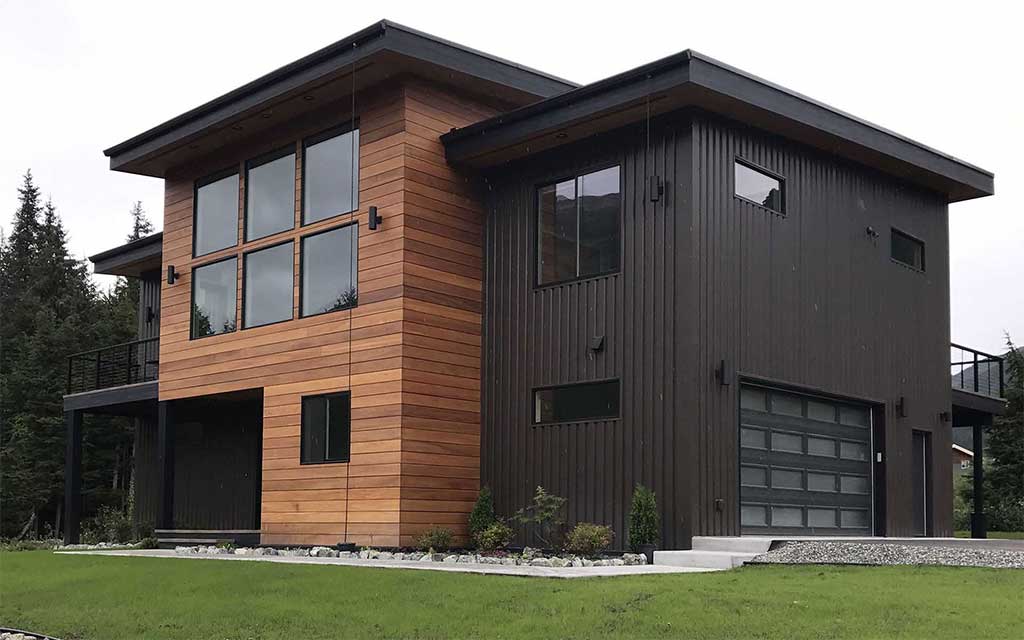
Natural wood siding house embodies charm and elegance, seamlessly blending nature with architecture. This guide delves into the enchanting world of natural wood siding, exploring its durability, aesthetic appeal, and eco-friendly nature.
Discover the different types of wood used for siding, the installation process, maintenance tips, and more as we unravel the beauty and practicality of natural wood siding for your home.
Benefits of Natural Wood Siding
Natural wood siding offers a range of benefits that make it a popular choice for homeowners.Durability of Natural Wood Siding
Natural wood siding is known for its durability, with proper maintenance and care, it can last for decades. It can withstand harsh weather conditions such as extreme heat, cold, and moisture, making it a long-lasting option for your home.Aesthetic Appeal of Natural Wood Siding
One of the main attractions of natural wood siding is its timeless and classic appearance. The natural grains and textures of wood give a warm and inviting look to any home. Additionally, wood can be easily painted or stained to match your desired color scheme, allowing for endless customization options.Eco-Friendly Aspects of Using Natural Wood Siding
Natural wood siding is a sustainable and eco-friendly choice for your home. Wood is a renewable resource that can be sourced responsibly from forests that are managed in an environmentally conscious manner. Additionally, wood siding is biodegradable and can be recycled at the end of its lifespan, reducing its impact on the environment.Types of Wood Used for Siding
When it comes to natural wood siding, there are several types of wood commonly used for this purpose. Each type has its own unique characteristics and maintenance requirements that should be considered before making a decision.Cedar
Cedar is a popular choice for wood siding due to its durability and natural resistance to decay and insects. It has a beautiful natural color that can range from light to dark tones, adding a rustic charm to any home. However, cedar requires regular maintenance such as staining or painting to prevent weathering and maintain its appearance over time.Pine
Pine is another common wood used for siding, known for its affordability and ease of installation. It has a light color with prominent grain patterns, giving it a more traditional look. However, pine is less durable than cedar and is more prone to rot and insect damage. Regular maintenance, including sealing and painting, is necessary to protect pine siding from the elements.Redwood
Redwood is a premium choice for wood siding, prized for its rich color variations and natural resistance to decay and insects. It has a luxurious appearance that can enhance the curb appeal of any home. While redwood is more expensive than cedar or pine, it requires less maintenance due to its natural durability. Periodic sealing and staining can help preserve the beauty of redwood siding for years to come.Installation Process
Installing natural wood siding involves several key steps to ensure a successful and long-lasting finish. Proper preparation of the exterior wall, as well as sealing and finishing, are crucial aspects of the installation process.Preparing the Exterior Wall
- Start by inspecting the exterior wall for any damage or rot. Replace or repair any damaged areas before proceeding with the installation.
- Clean the wall surface thoroughly to remove dirt, debris, and any loose paint. This will help the wood siding adhere properly.
- If necessary, apply a weather-resistant barrier or moisture barrier to protect the wall from moisture infiltration.
Installing Natural Wood Siding
- Begin by measuring and cutting the wood siding to fit the dimensions of the wall. Ensure each piece is properly aligned and level during installation.
- Use galvanized or stainless steel nails to secure the wood siding to the wall. Be sure to leave a small gap between each piece to allow for expansion and contraction.
- Consider using a spacer tool to maintain consistent spacing between each piece of wood siding for a professional finish.
Sealing and Finishing
- Apply a high-quality wood sealant or primer to protect the wood siding from moisture, UV rays, and other environmental factors.
- Choose a finish that complements the natural beauty of the wood, such as a stain or paint. Make sure to apply multiple coats for added protection and longevity.
- Regularly inspect and maintain the wood siding to ensure it remains in good condition and prolong its lifespan.
Maintenance and Care
Regular maintenance is crucial for preserving the beauty and longevity of natural wood siding. By following a few simple steps, you can prevent issues such as rot, mold, and insect damage, as well as keep your siding looking its best for years to come.Preventing Rot, Mold, and Insect Damage
One of the most important aspects of maintaining natural wood siding is preventing rot, mold, and insect damage. Here are some tips to help you protect your siding:- Inspect your siding regularly for any signs of damage or wear.
- Keep the siding clean by regularly washing it with water and mild soap.
- Ensure proper ventilation around the siding to prevent moisture buildup.
- Trim any vegetation near the siding to prevent mold growth and insect infestations.
- Apply a quality wood preservative or sealant to protect the wood from moisture and insects.
Refinishing or Repainting
Over time, natural wood siding may require refinishing or repainting to maintain its appearance and protect it from the elements. Here are some tips for refinishing or repainting your wood siding:- Start by cleaning the siding thoroughly to remove dirt, debris, and old finishes.
- Repair any damaged or rotted areas before refinishing or repainting.
- Choose a high-quality stain or paint that is specifically formulated for exterior wood surfaces.
- Apply the stain or paint evenly and follow the manufacturer's instructions for drying and curing times.
- Regularly inspect the siding after refinishing or repainting to ensure it remains in good condition.