
Delving into new home siding options, this introduction immerses readers in a unique and compelling narrative. From the variety of materials to factors influencing choices, this topic offers a comprehensive look at enhancing your home's exterior.
Types of New Home Siding Options
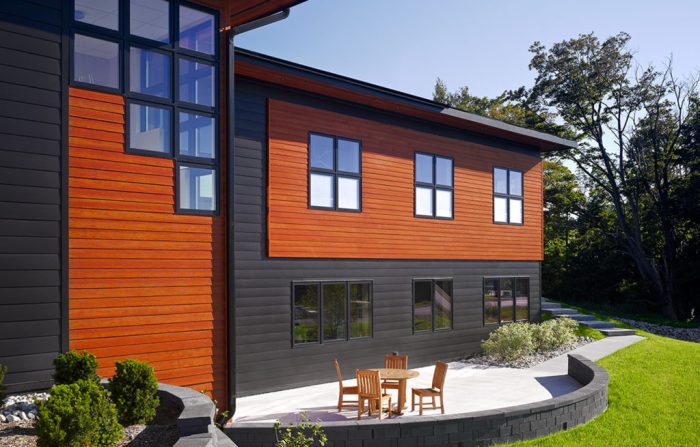
When it comes to choosing siding for your home, there are several options available on the market. Each type of siding material has its own unique features and benefits, so it's important to consider your priorities and preferences before making a decision.Vinyl Siding:Vinyl siding is a popular choice for homeowners due to its affordability and low maintenance requirements.
It is available in a wide range of colors and styles, making it easy to find a look that complements your home's aesthetic. Vinyl siding is also durable and resistant to rot, moisture, and pests.Wood Siding:Wood siding offers a natural and timeless look that can enhance the curb appeal of your home.
While wood siding requires more maintenance than vinyl or other materials, many homeowners appreciate the classic beauty it provides. Wood siding can be painted or stained to achieve the desired look and can last for many years with proper care.Fiber Cement Siding:Fiber cement siding is a versatile option that combines the benefits of both wood and vinyl siding.
It is durable, low-maintenance, and resistant to fire, insects, and rot. Fiber cement siding is available in a variety of textures and finishes, allowing homeowners to achieve the look of wood or stucco without the drawbacks of those materials.Metal Siding:Metal siding, such as aluminum or steel, is known for its durability and longevity.
It is resistant to rot, insects, and fire, making it a practical choice for homeowners looking for a low-maintenance option. Metal siding is also available in a variety of colors and finishes, giving homeowners the flexibility to customize their home's exterior.Examples of Homes with Different Siding Options:
- A modern ranch-style home featuring sleek vinyl siding in a neutral color palette.
- A charming cottage with rustic wood siding painted in a bold hue.
- A contemporary farmhouse showcasing fiber cement siding with a textured finish.
- A minimalist urban dwelling accented with metal siding in a metallic sheen.
Factors to Consider When Choosing Siding
Choosing the right siding for your home is a crucial decision that involves various factors that can impact the overall look, durability, maintenance, cost, and energy efficiency of your property. It is essential to consider these factors carefully to ensure you make an informed choice that aligns with your needs and preferences.
Importance of Durability, Maintenance, Cost, and Aesthetics
When selecting siding for your home, it is essential to consider the durability of the materials to withstand harsh weather conditions and potential damage over time. Additionally, maintenance requirements and costs associated with different siding options play a significant role in the long-term upkeep of your property.
Aesthetics also play a crucial role in enhancing the curb appeal of your home, adding to its overall value and visual appeal.
Impact of Climate and Location on Siding Materials
The climate and location of your home can greatly impact the choice of siding materials. For instance, areas with high humidity or extreme temperature variations may require siding materials that are resistant to moisture and can withstand temperature changes. Understanding the climate and environmental factors of your location can help you choose the right siding that will perform well and last longer in your specific region.
Energy Efficiency and Eco-Friendliness of Siding Options
Energy efficiency is another important factor to consider when choosing siding materials for your home. Certain types of siding, such as insulated vinyl or fiber cement, can help improve the energy efficiency of your property by providing better insulation and reducing heat loss.
Additionally, opting for eco-friendly siding materials, such as recycled or sustainable options, can contribute to a more environmentally friendly home and reduce your carbon footprint.
Installation Process for Different Siding Materials
When it comes to installing new siding on your home, the process can vary depending on the material you choose. Whether it's vinyl, wood, or fiber cement siding, each material has its own specific installation requirements to ensure a successful outcome.
General Steps for Installing Vinyl Siding
- Prepare the exterior walls by removing any existing siding and repairing any damage.
- Install a moisture barrier to protect against water damage.
- Measure and cut the vinyl siding panels to fit the dimensions of your home.
- Attach the siding panels to the walls using nails or screws, making sure to leave room for expansion and contraction.
- Finish the installation by adding trim pieces and corner posts for a polished look.
Tools and Equipment Required for a DIY Siding Installation Project
- Vinyl siding cutter
- Level
- Tape measure
- Hammer or nail gun
- Caulk gun
- Ladder
Importance of Professional Installation for Specific Siding Materials
While vinyl siding can be a popular choice for DIY installation, wood and fiber cement siding may require more expertise to ensure proper installation. Hiring a professional can help prevent costly mistakes and ensure the longevity of your siding.
Maintenance Tips for Longevity
Maintaining your home siding is essential to ensure its longevity and keep your home looking great. Here are some maintenance tips to help you take care of your siding:
Cleaning and Protecting Siding
- Regularly clean your siding with a mixture of mild soap and water to remove dirt, grime, and mildew.
- For vinyl siding, avoid using abrasive cleaners or power washers to prevent damage to the surface.
- Inspect your siding for any signs of damage such as cracks, holes, or warping, and address them promptly.
- Apply a protective sealant or paint to wooden siding every few years to prevent rot and decay.
Frequency of Inspections and Repairs
- Inspect your siding at least once a year to check for any damage or signs of wear and tear.
- After severe weather events, such as storms or strong winds, inspect your siding for any potential damage.
- Repair any damaged areas immediately to prevent further deterioration and maintain the integrity of your siding.
Closing Summary
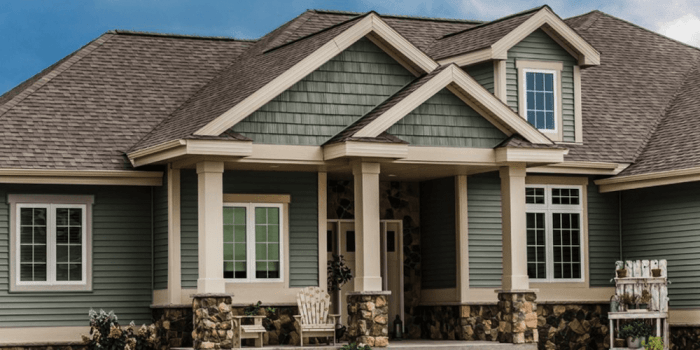
In conclusion, new home siding options provide not just aesthetic appeal but also functionality and protection. By understanding the different materials, installation processes, and maintenance tips, homeowners can make informed decisions to elevate their living spaces.
Essential FAQs
What are the benefits of fiber cement siding?
Fiber cement siding is known for its durability, low maintenance, and resistance to fire, insects, and rot.
Is metal siding a good choice for homes in coastal areas?
Metal siding can withstand salt exposure and high winds, making it a suitable option for homes near the coast.
How often should siding be inspected for damage?
It is recommended to inspect siding at least once a year to catch any issues early and prevent further damage.