

Exploring the world of structural repair contractors unveils a realm of expertise and precision crucial in the construction industry. From fixing common structural issues to implementing innovative repair techniques, these professionals play a vital role in ensuring the integrity of buildings.
Let's delve into the essential aspects of structural repair contractors and why their expertise is indispensable for any construction project.
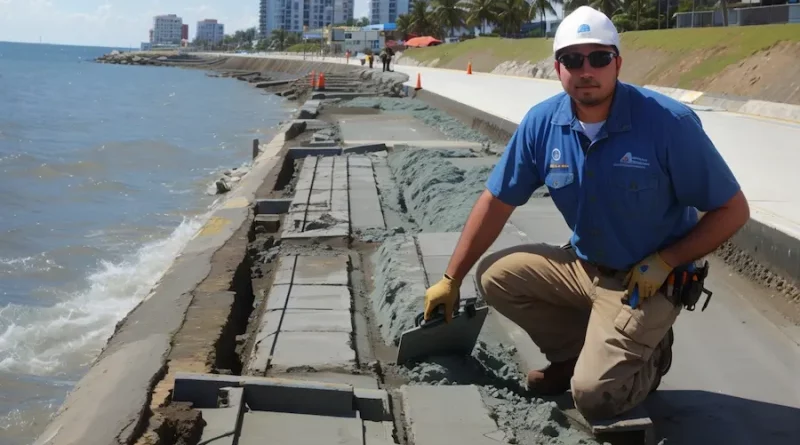
Overview of Structural Repair Contractors
Structural repair contractors play a crucial role in the construction industry by addressing and fixing various structural issues in buildings and infrastructure. These professionals have the expertise and experience to assess, diagnose, and repair structural damage effectively.Importance of Hiring Experienced Contractors
Experienced structural repair contractors are essential for projects to ensure that the repairs are done correctly and safely. Their knowledge of building codes, construction techniques, and materials is invaluable in providing long-lasting solutions to structural problems.- Foundation Settlement: Experienced contractors can address issues such as cracks in the foundation, sinking or settling of the structure.
- Water Damage: Contractors can repair water damage, including leaks, mold growth, and rotting wood.
- Structural Cracks: These professionals can repair cracks in walls, floors, and ceilings caused by various factors such as settlement, poor construction, or natural disasters.
Qualifications and Skills
To become a successful structural repair contractor, individuals must possess a combination of qualifications, certifications, and specialized skills. These are essential in ensuring the safety and integrity of the structures being repaired.Essential Qualifications and Certifications
- Completion of a relevant trade school program or apprenticeship in construction or a related field.
- Obtaining a contractor's license to legally operate and perform structural repairs.
- Certifications in areas such as welding, concrete repair, and foundation stabilization.
- Knowledge of building codes and regulations to ensure compliance with safety standards.
Specialized Skills
Structural repair contractors need to possess specialized skills in various areas to effectively carry out their work. Some of these skills include:- Proficiency in welding techniques for repairing metal structures.
- Expertise in concrete repair to address issues such as cracks or deterioration.
- Knowledge of foundation stabilization methods to strengthen and support the foundation of a structure.
Role of Experience
Experience plays a crucial role in the effectiveness of structural repair contractors. With hands-on experience, contractors develop a deeper understanding of different structural issues and the best approaches to address them. Experienced contractors can quickly assess the situation, identify the root cause of problems, and provide efficient solutions. Moreover, they are better equipped to handle unexpected challenges that may arise during the repair process.Structural Repair Techniques
Structural repair contractors utilize various techniques to address different types of damage in buildings. These techniques can range from traditional methods to more innovative approaches, depending on the severity and nature of the damage.Traditional Repair Methods
- Concrete Patching: Repairing cracks and holes in concrete structures using cement-based materials.
- Carbon Fiber Reinforcement: Strengthening structural elements like beams and columns with carbon fiber sheets.
- Epoxy Injection: Filling cracks in concrete with epoxy to restore structural integrity.
Modern Innovative Approaches
- Structural Strengthening with FRP: Using Fiber Reinforced Polymers to enhance the load-bearing capacity of structures.
- Grouting Techniques: Injecting grout into voids or spaces to stabilize and support foundations.
- Post-Tensioning: Applying tension to strengthen concrete elements after construction.
Examples of Structural Repair Projects
- Seismic Retrofitting: Strengthening buildings to withstand earthquakes by installing steel braces and reinforcement.
- Foundation Underpinning: Using techniques like micropiles or helical piers to stabilize and support foundations.
- Facade Restoration: Repairing and reinforcing exterior building facades to prevent deterioration and improve aesthetics.
Safety Measures and Regulations
When it comes to structural repair projects, safety should always be the top priority for contractors. Adhering to strict safety protocols and following regulations is crucial to ensure the well-being of workers and the success of the project.Safety Protocols on Job Sites
- Provide proper training to all workers on safety procedures and equipment.
- Maintain a clean and organized work area to prevent accidents.
- Use personal protective equipment such as helmets, gloves, and safety harnesses.
- Regularly inspect tools and equipment for any defects or malfunctions.
Importance of Building Codes and Regulations
Following local building codes and regulations is essential in structural repair projects to ensure that the work meets safety standards and is legally compliant. Failure to adhere to these codes can result in fines, project delays, or even accidents.Ensuring a Safe Working Environment
- Conduct thorough risk assessments before starting any repair work.
- Implement a clear communication system to keep all workers informed about safety procedures.
- Regularly inspect the work site for potential hazards and address them promptly.
- Encourage a safety-conscious culture among all workers to prioritize safety at all times.
Cost Estimation and Project Management
When it comes to structural repair projects, cost estimation plays a crucial role in planning and executing the work effectively. Structural repair contractors use various methods to estimate costs accurately, taking into account factors such as materials, labor, equipment, permits, and overhead expenses.Cost Estimation Methods
Structural repair contractors typically employ the following methods to estimate project costs:- Quantity Takeoff: Contractors calculate the quantity of materials needed based on the project's specifications and drawings, and then determine the associated costs.
- Unit Pricing: Contractors assign a unit cost to each item or task involved in the project, allowing for a more detailed breakdown of expenses.
- Historical Data Analysis: Contractors review past projects with similar scopes to identify patterns and trends in costs, helping them make more accurate estimates.
- Vendor Quotes: Contractors obtain quotes from suppliers and subcontractors to determine the costs of materials and services required for the project.
Importance of Effective Project Management
Effective project management is essential in structural repair tasks to ensure timely completion, cost control, and quality assurance. Contractors must manage timelines, budgets, and resources efficiently to deliver successful outcomes.Managing Timelines, Budgets, and Resources
Structural repair contractors need to:- Develop detailed project schedules outlining key milestones and deadlines.
- Monitor progress regularly to identify any potential delays and take corrective actions promptly.
- Implement cost control measures to stay within budget limits and prevent overspending.
- Allocate resources effectively, such as labor, equipment, and materials, to optimize productivity and minimize waste.
- Communicate effectively with stakeholders to ensure transparency and address any issues that may arise during the project.