
Sustainable architecture trends in 2025 set the stage for a fascinating exploration of the future of building design. As we look ahead to 2025, innovative materials, green building principles, net-zero energy structures, and biophilic designs are poised to revolutionize the architectural landscape.
Join us on this journey as we delve into the exciting possibilities that lie ahead.
In the coming years, sustainable architecture will not only be a trend but a necessity as we strive to create environmentally-friendly and energy-efficient buildings that enhance both our lives and the planet.
Sustainable Materials
Innovative sustainable materials play a crucial role in the future of architecture, offering eco-friendly alternatives to traditional construction materials.
Recycled Materials in Construction
Using recycled materials in construction projects not only reduces waste but also helps lower the carbon footprint of buildings. Incorporating materials such as recycled steel, glass, and plastic can significantly decrease the environmental impact of construction.
- Recycled steel: Repurposing steel from old buildings or scrap metal reduces the need for new steel production, which is energy-intensive and emits high levels of carbon dioxide.
- Recycled glass: Reusing glass in construction not only conserves resources but also reduces the energy required to melt raw materials for new glass production.
- Recycled plastic: Utilizing recycled plastic in building materials helps divert plastic waste from landfills and oceans, contributing to a more sustainable construction industry.
By incorporating recycled materials in construction, architects and builders can promote a circular economy and reduce the environmental impact of their projects.
Green Building Design
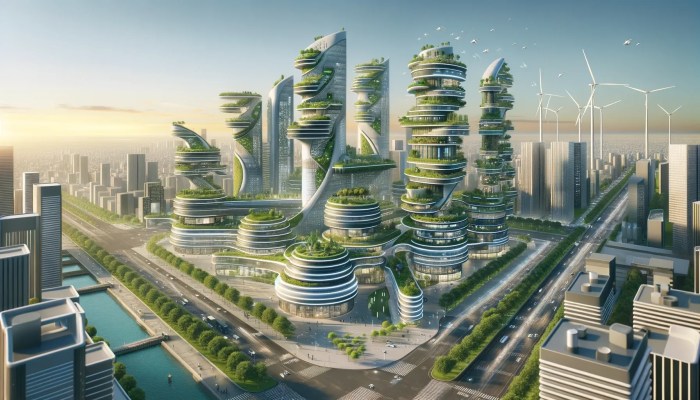
Green building design focuses on creating environmentally friendly and sustainable structures that minimize negative impacts on the environment. By incorporating various principles and elements, these buildings aim to reduce energy consumption, conserve resources, and promote a healthy indoor environment.
Green Roofs
Green roofs are a key element of sustainable design, providing numerous benefits such as improved insulation, reduced stormwater runoff, and increased biodiversity. By covering the roof with vegetation, green roofs help lower energy costs, mitigate the urban heat island effect, and enhance air quality.
Passive Solar Heating
Passive solar heating utilizes the sun's energy to heat spaces naturally without the need for mechanical systems. By strategically positioning windows, thermal mass, and shading elements, buildings can harness solar heat gain during the winter months and minimize cooling needs in the summer, resulting in energy savings and reduced carbon emissions.
Integration of Technology
Advancements in technology play a vital role in designing energy-efficient buildings. From smart building automation systems to energy-efficient lighting and HVAC systems, integrating technology allows for better control and optimization of energy usage. Additionally, the use of Building Information Modeling (BIM) enables architects and engineers to simulate and analyze the building's performance before construction, optimizing energy efficiency and overall sustainability.
Net-Zero Energy Buildings
Net-zero energy buildings are structures that produce as much energy as they consume over a year, effectively balancing out their energy usage. These buildings play a vital role in reducing carbon footprint by minimizing reliance on non-renewable energy sources and promoting sustainability in the built environment.
Strategies for Achieving Net-Zero Energy Consumption
- Implementing high levels of insulation and energy-efficient windows to reduce heating and cooling loads.
- Integrating renewable energy sources such as solar panels and wind turbines to generate on-site energy.
- Utilizing energy-efficient appliances and lighting systems to minimize electricity consumption.
- Optimizing building orientation and design to maximize natural light and ventilation, reducing the need for artificial lighting and mechanical cooling.
Case Studies of Successful Net-Zero Energy Buildings
- The Bullitt Center in Seattle, Washington, is a commercial office building that achieved net-zero energy status through passive design strategies, efficient systems, and on-site renewable energy generation.
- The Powerhouse Kjorbo in Norway is a renovated office building that produces more energy than it consumes, thanks to its energy-efficient features and rooftop solar panels.
- The Richardsville Elementary School in Kentucky, USA, is the first net-zero energy school in the country, showcasing the feasibility and benefits of sustainable design in educational buildings.
Biophilic Architecture
Biophilic architecture is a design concept that seeks to connect people with nature in the built environment, promoting well-being and productivity. By incorporating natural elements such as plants, water features, and natural light, biophilic design enhances the overall experience of occupants within a space.
Use of Natural Elements
Biophilic architecture integrates natural elements like plants, water features, and natural materials into the design of buildings. These elements not only improve the aesthetics of the space but also have numerous benefits for the occupants.
- Plants not only add a touch of greenery to the environment but also help improve air quality by absorbing pollutants and releasing oxygen.
- Water features such as fountains or ponds create a calming effect and help reduce stress and anxiety among occupants.
- Natural light not only reduces the need for artificial lighting but also has a positive impact on mood and productivity.
Enhancing Well-being and Productivity
Biophilic design has been shown to have a positive impact on occupant well-being and productivity.
- Exposure to natural elements has been linked to reduced stress, improved cognitive function, and faster recovery times from illness.
- Views of nature from windows or indoor plants have been shown to increase focus and productivity in work environments.
- Spaces designed with biophilic principles tend to be more inviting and comfortable, leading to higher levels of satisfaction among occupants.
Last Recap
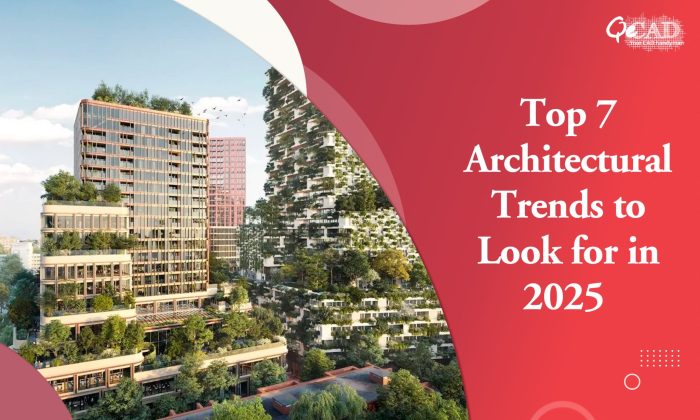
In conclusion, Sustainable architecture trends in 2025 promise a future where buildings are not just structures, but living, breathing entities that coexist harmoniously with nature. Embracing these trends will not only shape the way we build but also pave the path towards a more sustainable and resilient world.
FAQ
What are some examples of innovative sustainable materials used in architecture?
Examples include bamboo, recycled steel, and reclaimed wood, which offer both durability and eco-friendliness in construction.
How do net-zero energy buildings contribute to reducing carbon footprint?
Net-zero energy buildings generate as much energy as they consume, significantly reducing reliance on non-renewable energy sources and lowering carbon emissions.
What is the significance of incorporating biophilic design in architecture?
Biophilic design improves occupant well-being by connecting them to nature through elements like natural light, greenery, and water features, enhancing productivity and overall health.