
Exploring the realm of Sustainable architecture trends in 2025, this introduction aims to captivate readers with a glimpse into the innovative and eco-friendly practices shaping the future of architecture. From sustainable materials to energy-efficient design, this overview sets the stage for an insightful journey into the world of environmentally conscious building practices.
As we delve deeper into the various aspects of sustainable architecture trends in 2025, the discussion will highlight key elements driving the shift towards greener and more sustainable construction methods.
Sustainable Materials
In the realm of sustainable architecture, the choice of materials plays a crucial role in reducing environmental impact and promoting a more eco-friendly approach to construction. Innovative sustainable materials are continuously being developed and integrated into architectural designs to create buildings that are not only aesthetically pleasing but also environmentally responsible.
Bamboo
Bamboo is a versatile and sustainable material that has gained popularity in architecture due to its rapid growth rate and renewable nature. It is a strong and durable material that can be used for structural elements, cladding, flooring, and furniture.
Examples of buildings constructed using bamboo include the Green School in Bali, Indonesia, which showcases bamboo's potential as a sustainable building material.
Recycled Plastic
Recycled plastic is another innovative material that is being used in architecture to reduce plastic waste and promote sustainability. It can be transformed into durable building blocks, insulation materials, and even decorative elements. The EcoArk in Taipei, Taiwan, is a notable example of a building constructed using recycled plastic bottles, highlighting the versatility and potential of this material in sustainable construction.
Cross-Laminated Timber (CLT)
Cross-laminated timber (CLT) is a sustainable alternative to traditional building materials like concrete and steel. It is made by layering and gluing together solid wood panels to create strong and lightweight structural elements. Buildings like the Tamedia Office Building in Zurich, Switzerland, showcase the use of CLT in creating sustainable and visually appealing architectural designs.
Green Roofs
Green roofs are becoming increasingly popular in sustainable architecture as they provide numerous environmental benefits, such as natural insulation, stormwater management, and improved air quality. Buildings like the Bosco Verticale in Milan, Italy, feature extensive greenery on their facades, demonstrating the integration of nature into urban environments for a more sustainable approach to building design.
Energy Efficiency
Energy-efficient design plays a crucial role in sustainable architecture by reducing energy consumption, minimizing environmental impact, and lowering operating costs for building owners.
Traditional vs Modern Energy Systems
Traditional energy systems rely heavily on fossil fuels, which contribute to greenhouse gas emissions and climate change. In contrast, modern sustainable energy systems harness renewable energy sources such as solar, wind, and geothermal power to generate electricity and heat for buildings.
Architects are now incorporating these renewable energy sources into building design through innovative technologies like solar panels, wind turbines, and ground-source heat pumps. These systems not only reduce the carbon footprint of buildings but also provide a more reliable and cost-effective source of energy in the long run.
Green Spaces and Biophilic Design
Biophilic design is a concept that integrates natural elements and processes into the built environment to create a connection between people and nature. This design approach aims to enhance the well-being of building occupants by improving air quality, reducing stress, and increasing productivity.
Examples of Buildings with Green Spaces
- The Bosco Verticale in Milan, Italy, features two residential towers covered in trees and plants, providing a vertical forest in an urban setting.
- The Singapore Changi Airport, known for its indoor gardens and green walls, offers travelers a refreshing and calming environment.
- The Amazon Spheres in Seattle, USA, houses a variety of plant species and serves as a workspace for Amazon employees, promoting productivity and creativity.
Impact of Biophilic Design on Well-being
Research has shown that exposure to nature and green spaces can reduce stress levels, improve cognitive function, and enhance overall well-being.
Biophilic design in buildings has been linked to increased productivity, creativity, and satisfaction among occupants. By incorporating elements such as natural light, vegetation, and water features, architects can create spaces that promote health and happiness.
Technology Integration
Incorporating advanced technology such as Artificial Intelligence (AI) and Internet of Things (IoT) into sustainable architecture is revolutionizing the way buildings are designed, constructed, and operated. These technological innovations are not only enhancing the efficiency of buildings but also reducing their environmental impact.
Smart Buildings and Sustainable Features
Smart buildings are equipped with sensors, actuators, and other smart devices that collect and analyze data to optimize energy usage, improve indoor air quality, and enhance occupant comfort. For example, smart lighting systems adjust brightness based on natural light levels and occupancy, reducing energy consumption.
Smart HVAC systems monitor indoor conditions and adjust temperature and ventilation accordingly, leading to energy savings and improved air quality. Additionally, smart meters track water and energy usage in real-time, enabling better resource management.
Challenges and Opportunities
Integrating technology into architectural design presents both challenges and opportunities. One of the main challenges is the initial cost of implementing smart technologies, which can be a barrier for some projects. Moreover, ensuring data privacy and cybersecurity in smart buildings is crucial to protect the information collected by sensors and devices.
On the other hand, the opportunities are vast
from predictive maintenance of building systems to personalized occupant experiences, technology integration can lead to more sustainable, efficient, and comfortable built environments.
Conclusive Thoughts
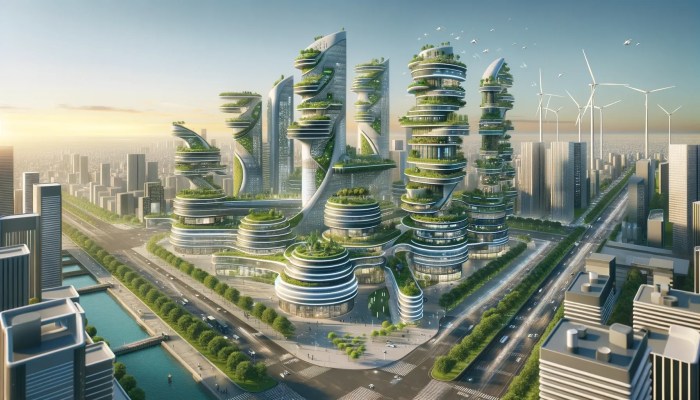
In conclusion, the landscape of architecture is evolving towards a more sustainable and environmentally friendly future. By embracing sustainable materials, energy-efficient systems, green spaces, and technology integration, architects are paving the way for a greener tomorrow. The trends of 2025 offer a promising glimpse into a world where eco-conscious design is not just a choice but a necessity.
Common Queries
What are some examples of innovative sustainable materials used in architecture?
Examples include recycled steel, bamboo, and hempcrete, which offer durability and eco-friendliness.
How are architects integrating renewable energy sources into building design?
Architects are incorporating solar panels, wind turbines, and geothermal systems to harness renewable energy for buildings.
What is the impact of biophilic design on building occupants' well-being?
Biophilic design enhances well-being by connecting occupants to nature, reducing stress, and improving productivity.
How is technology like AI and IoT influencing sustainable architecture?
AI and IoT enable smart building systems that optimize energy use, lighting, and overall efficiency in sustainable architecture.