
Exploring the world of top architecture software for professionals, this introduction sets the stage for a deep dive into the tools that shape modern design and construction. From innovative features to real-world applications, this guide covers everything you need to know about choosing the right software for your architectural projects.
With a focus on enhancing workflow efficiency and boosting productivity, the following sections highlight key aspects of architecture software that are essential for professionals in the industry.
Overview of Architecture Software
Architecture software plays a crucial role in the design and construction industry, providing professionals with the tools necessary to create detailed plans, models, and presentations for architectural projects. It enhances efficiency, accuracy, and collaboration among team members, ultimately leading to more successful outcomes.
Key Features of Architecture Software
- 3D Modeling: Allows professionals to visualize designs in a three-dimensional space, providing a more realistic representation of the final project.
- Building Information Modeling (BIM): Enables the creation of intelligent 3D models that include data and information about the building elements, facilitating better decision-making throughout the project lifecycle.
- Rendering Capabilities: Helps in creating photorealistic images and animations of the design, allowing for better communication with clients and stakeholders.
- Collaboration Tools: Facilitates communication and coordination among team members, regardless of their physical location, leading to improved efficiency and productivity.
Benefits of Specialized Architecture Software vs. Generic Design Tools
While generic design tools may offer some basic functionalities, specialized architecture software provides several advantages tailored specifically to the needs of architects and designers:
- Advanced Features: Architecture software offers specialized tools and features that cater to the unique requirements of architectural design, such as parametric modeling, energy analysis, and construction documentation.
- Efficiency and Accuracy: By using software designed for architecture, professionals can streamline their workflows, reduce errors, and save time in the design and documentation process.
- Industry Standards Compliance: Specialized software often adheres to industry standards and regulations, ensuring that designs meet legal requirements and quality benchmarks.
- Professional Presentation: Architecture software enables the creation of high-quality presentations, renderings, and drawings that are essential for communicating design ideas effectively to clients and stakeholders.
Top Features to Look for
When choosing architecture software, professionals should consider a range of essential features that can significantly impact their workflow and productivity. These features can vary from program to program, so it's crucial to compare and contrast different software based on their feature sets to determine which best suits your needs.
Integration with BIM
- Building Information Modeling (BIM) integration is crucial for seamless collaboration and data exchange among project stakeholders.
- Look for software that supports BIM workflows, allowing architects to create 3D models with intelligent data for better decision-making.
- Features like clash detection and model coordination enhance project coordination and reduce errors during the design process.
Rendering Capabilities
- Advanced rendering capabilities are essential for creating realistic visualizations of architectural designs.
- Software with high-quality rendering tools can help architects present their ideas effectively to clients and stakeholders.
- Look for features like realistic materials, lighting effects, and environmental settings to bring designs to life.
Parametric Design Tools
- Parametric design tools allow architects to create complex geometries and explore various design options efficiently.
- Software with parametric capabilities enables architects to make quick design iterations and analyze the impact of changes in real-time.
- Look for features like parametric modeling, algorithmic design, and scripting capabilities for advanced design exploration.
Collaboration and Sharing
- Effective collaboration tools are essential for architects working in teams or with clients located remotely.
- Look for software that offers cloud-based collaboration features, version control, and real-time editing capabilities.
- Features like markups, comments, and shared project libraries enhance communication and streamline project workflows.
Popular Architecture Software in the Market
When it comes to architecture software, professionals have a variety of options to choose from based on their specific needs and preferences. Let's take a look at some of the most popular architecture software in the market, highlighting their strengths, weaknesses, pricing, scalability, and compatibility.
AutoCAD Architecture
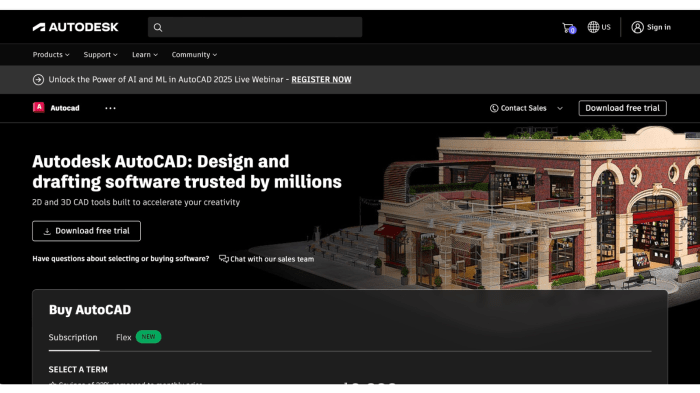
AutoCAD Architecture is a leading software in the industry, known for its comprehensive tools for architectural design and drafting. It offers a wide range of features for creating detailed 2D and 3D designs, making it ideal for architects and designers.
However, the complexity of the software may require some time to master, and the pricing can be on the higher side for some users.
SketchUp
SketchUp is another popular choice among architects for its user-friendly interface and intuitive tools. It is great for creating quick conceptual designs and 3D modeling
Revit
Revit is a powerful software known for its Building Information Modeling (BIM) capabilities, allowing architects to create intelligent 3D models with comprehensive data. It offers seamless collaboration among project teams and high scalability for large projects. However, the learning curve for Revit can be steep, and the software may come with a higher price tag.
ArchiCAD
ArchiCAD is a robust software that focuses on BIM workflows, enabling architects to design, document, and collaborate efficiently. It offers a range of tools for architectural design, visualization, and project management. While ArchiCAD provides great integration with other software, it may not be as widely adopted as some other options in the market.
Case Studies and Real-World Applications
Architecture software plays a crucial role in shaping real-world projects, impacting outcomes, design quality, visualization, and collaboration among professionals. Let's explore some examples of how architecture software is utilized in practical applications.
Revitalizing Urban Spaces with 3D Modeling
One prominent case study involves the revitalization of urban spaces using 3D modeling software. By creating detailed digital models of existing structures and proposed designs, architects and urban planners can visualize the potential impact of new developments on the surrounding environment.
This technology enables stakeholders to make informed decisions and ensure that new projects align with the existing urban fabric.
Enhancing Building Efficiency with Energy Analysis Tools
Another impactful example is the use of energy analysis tools in architecture software to optimize building efficiency. By simulating various energy usage scenarios and evaluating the performance of different design elements, architects can design sustainable buildings that minimize energy consumption and reduce environmental impact.
These tools help professionals meet energy efficiency standards and create environmentally friendly structures.
Streamlining Collaboration with BIM Software
Building Information Modeling (BIM) software has revolutionized collaboration in the architecture industry. By creating a centralized digital model that integrates architectural, structural, and MEP (mechanical, electrical, plumbing) systems, professionals can collaborate in real-time, identify clashes, and streamline the design process.
This collaborative approach improves communication, reduces errors, and enhances project efficiency.
Trends and Innovations in Architecture Software
The field of architecture software is constantly evolving, driven by technological advancements and the need for more efficient design tools. Let's delve into some of the latest trends and innovations shaping the industry.
Integration of AI and Machine Learning
AI and machine learning algorithms are increasingly being integrated into architecture software to streamline the design process. These technologies can analyze vast amounts of data, identify patterns, and generate design suggestions based on user preferences. This not only saves time but also enhances creativity by offering new perspectives on design possibilities.
Virtual Reality (VR) in Architectural Visualization
VR technology is revolutionizing architectural visualization by allowing designers to create immersive experiences for clients. Architects can now showcase their designs in a realistic virtual environment, enabling clients to explore spaces before they are even built. This not only enhances communication between architects and clients but also helps in identifying design flaws at an early stage.
Parametric Design and Generative Algorithms
Parametric design tools and generative algorithms are gaining popularity in architecture software. These tools enable architects to create complex, dynamic designs that respond to various parameters such as site conditions, environmental factors, and user requirements. By leveraging parametric design, architects can explore a wide range of design options and optimize their projects for efficiency and performance.
Sustainable Design and Analysis Tools
With a growing focus on sustainability in architecture, software developers are incorporating tools for sustainable design and analysis. These tools help architects evaluate the environmental impact of their designs, optimize energy efficiency, and make informed decisions about materials and construction methods.
By integrating sustainability features into architecture software, designers can create buildings that are not only aesthetically pleasing but also environmentally friendly.
Last Point
In conclusion, the realm of architecture software offers a myriad of possibilities for professionals looking to streamline their design process and elevate their work to new heights. By staying informed about the latest trends and innovations, architects can harness the power of technology to create stunning structures that push the boundaries of imagination.
Essential Questionnaire
What are the key features to look for in architecture software?
Key features to consider include 3D modeling capabilities, building information modeling (BIM) support, rendering tools, and collaboration features.
Which architecture software is most commonly used by professionals?
Popular choices among professionals include AutoCAD Architecture, Revit, SketchUp, and ArchiCAD.
How do architecture software trends influence the industry?
Emerging technologies like AI and VR are revolutionizing the way architects design and visualize projects, leading to more efficient workflows and enhanced client presentations.